
Introduction
Imagine this. Your company is doing really well. Every single day, new clients sign up. The future is bright, and your crew is enthusiastic.
Then all of a sudden, your app stops functioning.
People grumble. Sales decline. Panic strikes. You might be surprised to learn how frequently this situation occurs.
And it occurs because the majority of companies create apps that initially function well but eventually fail under duress.
That is where scalable mobile app development comes into the picture.
So, what does ‘scalability’ actually mean?
In simple terms, it means your app can handle growth without falling apart.
More users join and it keeps running smoothly. More data flows through, and nothing breaks. Your business expands and your app expands right along with it.
Many business owners make a common mistake. They focus only on launching quickly. Scalability becomes an afterthought. Then six months later they face massive problems that cost twice as much to fix.
The smart approach? Build for growth from day one.
A reliable mobile app development company understands this reality. They plan ahead so your app never holds your business back.
Boolean Inc. has helped countless growing businesses create apps that scale effortlessly no matter how fast success comes knocking.
You will also discover practical strategies for building apps that grow with you. We will explore architecture decisions and cloud options and backend essentials.
You will also learn how to choose the right app development company for your business. So you partner with people who truly get it.
Let us get started on building something that lasts.
What Makes a Mobile App Truly Scalable?
Let us get one thing straight. Not every app that works well today will work well tomorrow.
Some apps handle ten thousand users like a champ. Add fifty thousand more and they completely fall apart.
So what separates scalable apps from the rest?
It comes down to a few core features. And understanding these basics will help you make smarter decisions for your business.
Flexible Foundation
Think of your app like a house. A weak foundation causes cracks when you add more floors. A strong foundation supports whatever you build on top. Scalable app architecture works the same way.
Your app needs a structure that bends without breaking. It should welcome new features without requiring a complete overhaul. When your business pivots or grows, the app should follow naturally.
Smart Resource Management
Scalable apps use resources wisely. They do not hog memory or drain servers when traffic is low. But when demand spikes, they grab extra power instantly.
This flexibility keeps things running smoothly during quiet hours and crazy busy periods alike. Your users never notice the difference because everything just works.
Modular Design
Here is something many people overlook. The best scalable apps are built in pieces. Each piece handles a specific job. One module manages user logins. Another handles payments. A third takes care of notifications.
Why does this matter? Because when one piece needs an upgrade, you fix just that piece. Nothing else breaks. You save time and money and headaches.
| Traditional App Design | Modular App Design |
| Everything connected tightly | Components work independently |
| One change affects everything | Changes stay contained |
| Difficult to update | Easy to improve piece by piece |
| Harder to scale | Scales smoothly |
Performance Under Pressure
Mobile app performance optimization is not optional for scalable apps. Speed matters more than ever. Users today expect instant responses. Make them wait three seconds, and many will leave forever.
A truly scalable app maintains fast load times even when thousands of people use it simultaneously. It anticipates heavy traffic and prepares automatically.
Room for Integration
Your business probably uses other tools already. Payment systems. Marketing platforms. Customer databases. Your app needs to connect with all of these seamlessly.
API development for mobile apps makes these connections possible. A scalable app welcomes new integrations without struggling. As your tech stack grows, your app adapts.
Security That Scales Too
More users mean more data. More data means bigger security responsibilities. Mobile app security solutions must grow alongside everything else.
A scalable app protects user information whether you have one hundred customers or one million. Security should never become an afterthought as you expand.
The Startup Angle
If you run a startup, this stuff matters even more. You might have limited users today, but explosive growth could happen anytime. Scalable startup app development prepares you for that hockey stick moment when everything takes off.
Building right from the start saves you from painful rewrites later. Many founders learn this lesson the hard way. You do not have to.
Wondering about the key factors for long-term app success? Understanding scalability fundamentals gives you a serious head start.
Now that you understand what makes apps scalable, let us explore the architecture choices that bring these principles to life.
Choosing the Right Architecture for Your Scalable App
So you understand what scalability means. Now comes the big question. How do you actually build an app that scales?
It all starts with architecture.
Think of architecture as the blueprint for your app. Get it wrong and everything built on top suffers. Get it right and your app handles growth like a champion.
Let us break down the options in plain language.
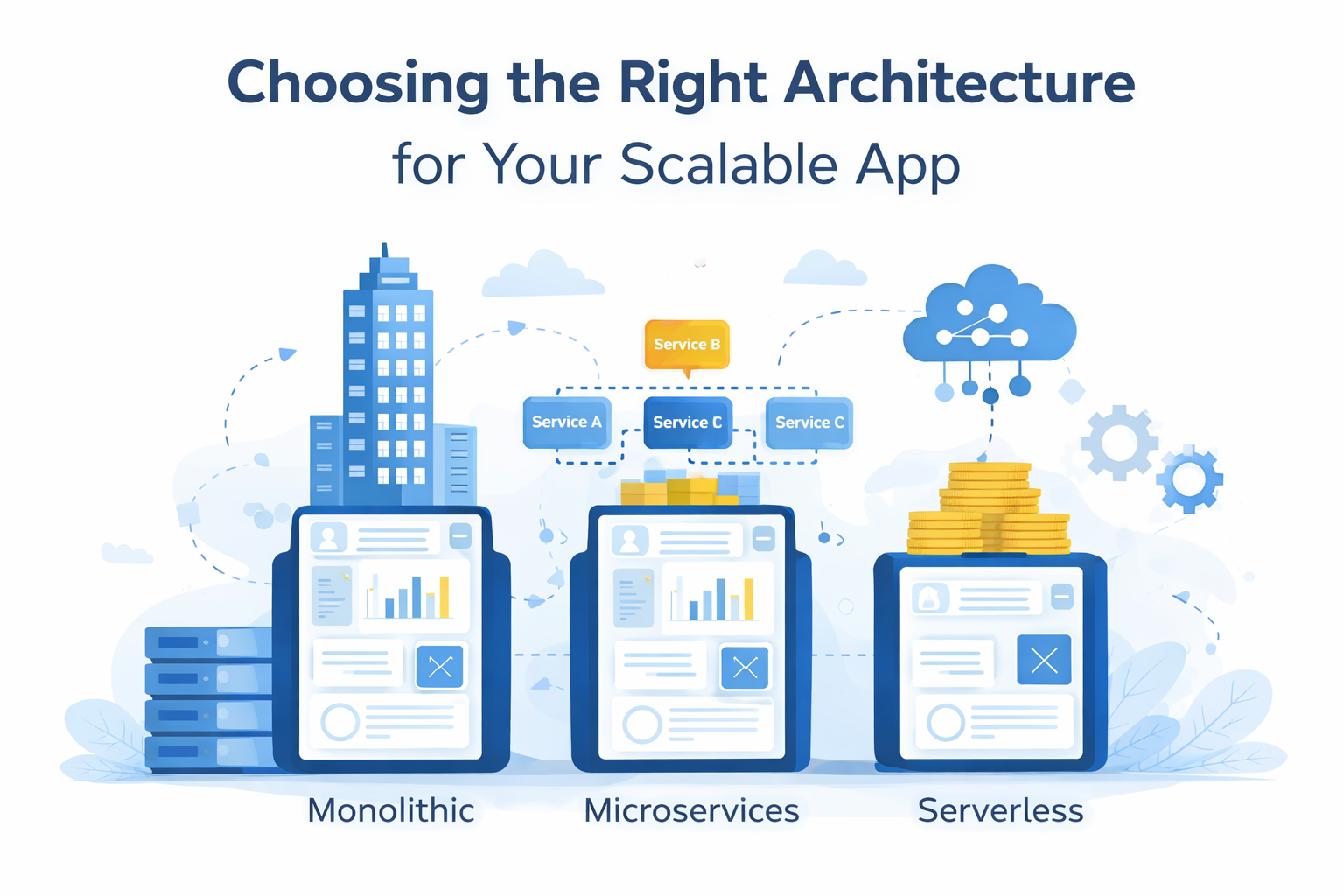
Monolithic Architecture
This is the traditional approach. Everything lives together in one big package. Your user interface and business logic and database connections all sit in the same place.
Sounds simple, right? And honestly, it works fine for smaller apps. If you are just starting out and testing an idea, monolithic architecture gets you moving fast.
But here is the problem. As your app grows, this single package becomes a monster. Making small changes feels risky because everything connects to everything else. One tiny bug can crash the whole system.
For rapidly growing businesses, this approach usually causes trouble down the road.
Microservices Architecture for Mobile Apps
Now we are talking about something different. Instead of one giant package, you break your app into smaller independent services. Each service handles one specific task.
One service manages user accounts. Another processes payments. A third sends notifications. They all work together but remain separate.
Why does this procedure matter for your business?
- Updates become easier. Change one service without touching others.
- Problems stay contained. If notifications break, your payment system keeps working.
- Scaling gets flexible. Need more power for payments during a sale? Scale just that service.
- Teams work faster. Different people can work on different services simultaneously.
Enterprise mobile app development almost always uses microservices today. Big companies need this flexibility to keep moving quickly.
Serverless Architecture
Here is an approach that sounds confusing but is actually quite simple. With serverless architecture you do not manage servers yourself. Cloud providers handle all that behind the scenes.
Your app runs in small functions. These functions activate only when needed. When nobody uses a feature, it costs you nothing. When traffic explodes, the cloud automatically provides more resources.
Cloud native mobile apps often use this model. It saves money and reduces complexity, especially for businesses without large technical teams.
Choosing What Works for You
So which architecture should you pick? The honest answer is it depends on your situation.
| Your Situation | Best Architecture Choice |
| Testing a new idea quickly | Monolithic |
| Building for steady long term growth | Microservices |
| Wanting minimal server management | Serverless |
| Expecting unpredictable traffic spikes | Serverless or Microservices |
| Running an enterprise with complex needs | Microservices |
Many businesses actually combine approaches. They start simple and evolve over time. The key is planning for that evolution from the beginning.
Backend Development for Mobile Apps
Your architecture decision directly affects your backend. And your backend is basically the engine powering everything users see on their screens.
A strong backend handles data storage and user authentication and business logic and third party connections. It works quietly in the background making sure everything runs smoothly.
Backend development for mobile apps requires careful planning. Rushed decisions here create performance problems later. And fixing backend issues while your app is live feels like changing a tire while driving down the highway.
Not fun at all.
The MVP Approach
Maybe you are not ready to build everything at once. That is completely fine. Many successful companies start with MVP app development services. MVP stands for minimum viable product.
You build core features first. Launch quickly. Learn from real users. Then expand based on what actually works.
The beauty of choosing scalable architecture early? Your MVP can grow into a full featured app without starting over. You add pieces as needed. Your foundation already supports whatever comes next.
Curious about the full journey from idea to finished product? Check out the complete app development guide for a step by step walkthrough.
Getting Expert Help
Architecture decisions feel overwhelming sometimes. Too many options and too much technical jargon floating around.
This is where mobile app consulting services become valuable. Experienced consultants look at your specific business goals and recommend the right path forward. They have seen what works and what fails across dozens of projects.
You do not have to figure everything out alone.
The architecture you choose today shapes your app for years to come. Take time to understand your options. Ask questions. Plan for growth even if growth feels far away right now.
Native vs Cross Platform: Which Path Should You Take?
Here is a decision that confuses many business owners. Should you build a native app or go cross platform?
Let us make this simple.
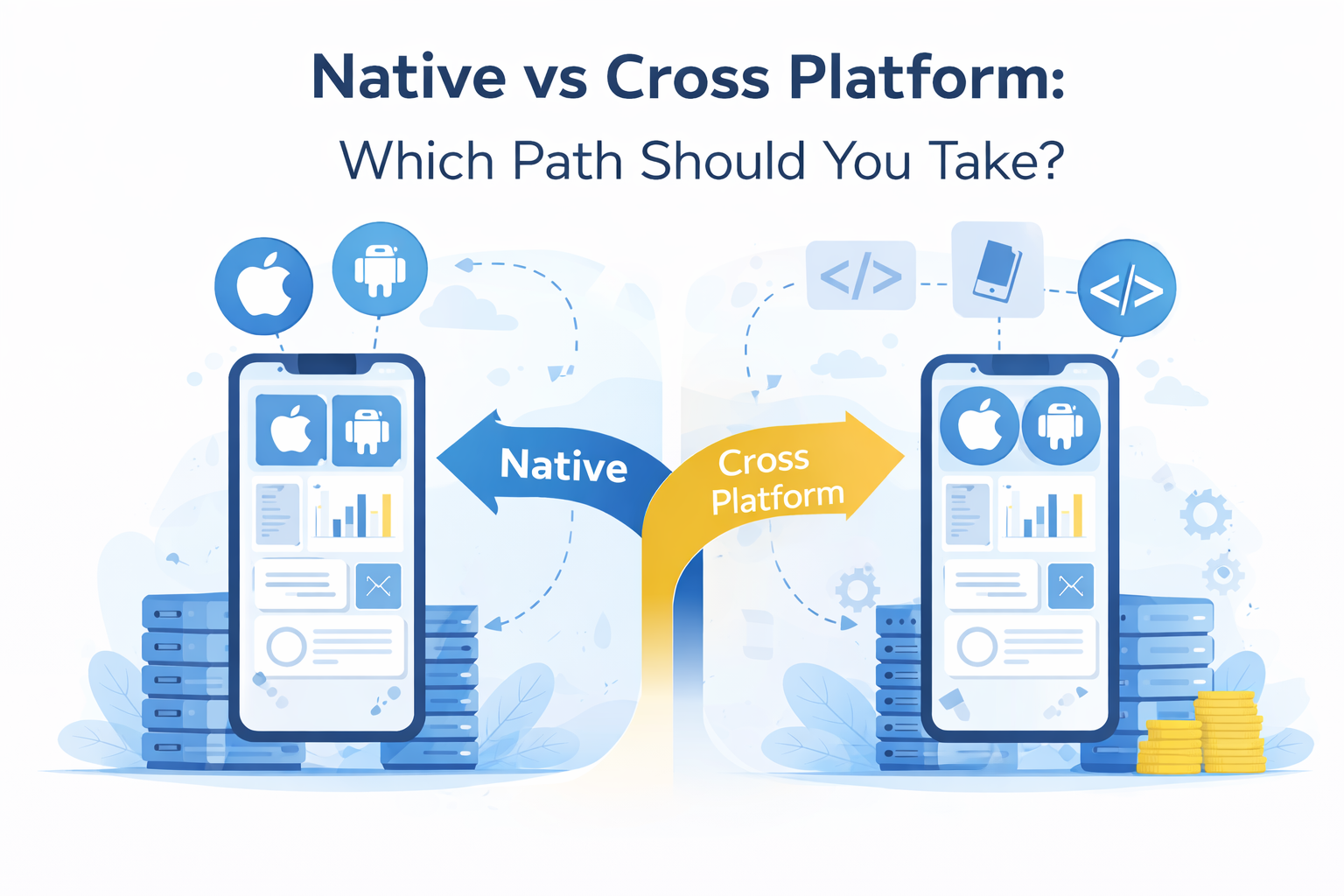
Native Mobile App Development
Native apps are built specifically for one platform. One version for iPhone users. A completely separate version for Android users. Each app uses the programming language that platform prefers.
The result? Blazing fast performance. Smooth animations. Access to every phone feature like cameras and sensors and GPS. Everything feels polished because the app speaks the phone’s language fluently.
But there is a catch. You are building two apps instead of one. That means more time and more money and more maintenance headaches.
Cross Platform App Development
Cross platform takes a different approach. You write code once and it works on both iPhone and Android. One team handles everything. Updates happen faster. Costs stay lower.
Sounds perfect, right? Well, almost. Cross platform apps sometimes sacrifice a tiny bit of performance. Certain advanced features become trickier to implement. But honestly, the gap has shrunk dramatically in recent years.
So, Which Should You Choose?
| Factor | Native | Cross Platform |
| Performance | Excellent | Very Good |
| Development Cost | Higher | Lower |
| Time to Launch | Longer | Faster |
| Maintenance | Two codebases | One codebase |
| Complex Features | Easier | Slightly harder |
For most growing businesses cross platform makes solid sense. You reach both audiences without doubling your budget. Speed to market matters and cross platform delivers.
However, if your app requires heavy graphics or complex device features, native might be worth the investment.
Still unsure which direction fits your goals? Understanding app development costs helps you weigh the financial side of this decision.
The truth is both paths can lead to scalable, successful apps. What matters most is choosing based on your specific needs, not following trends blindly.
Cloud Solutions That Power Scalable Mobile Apps
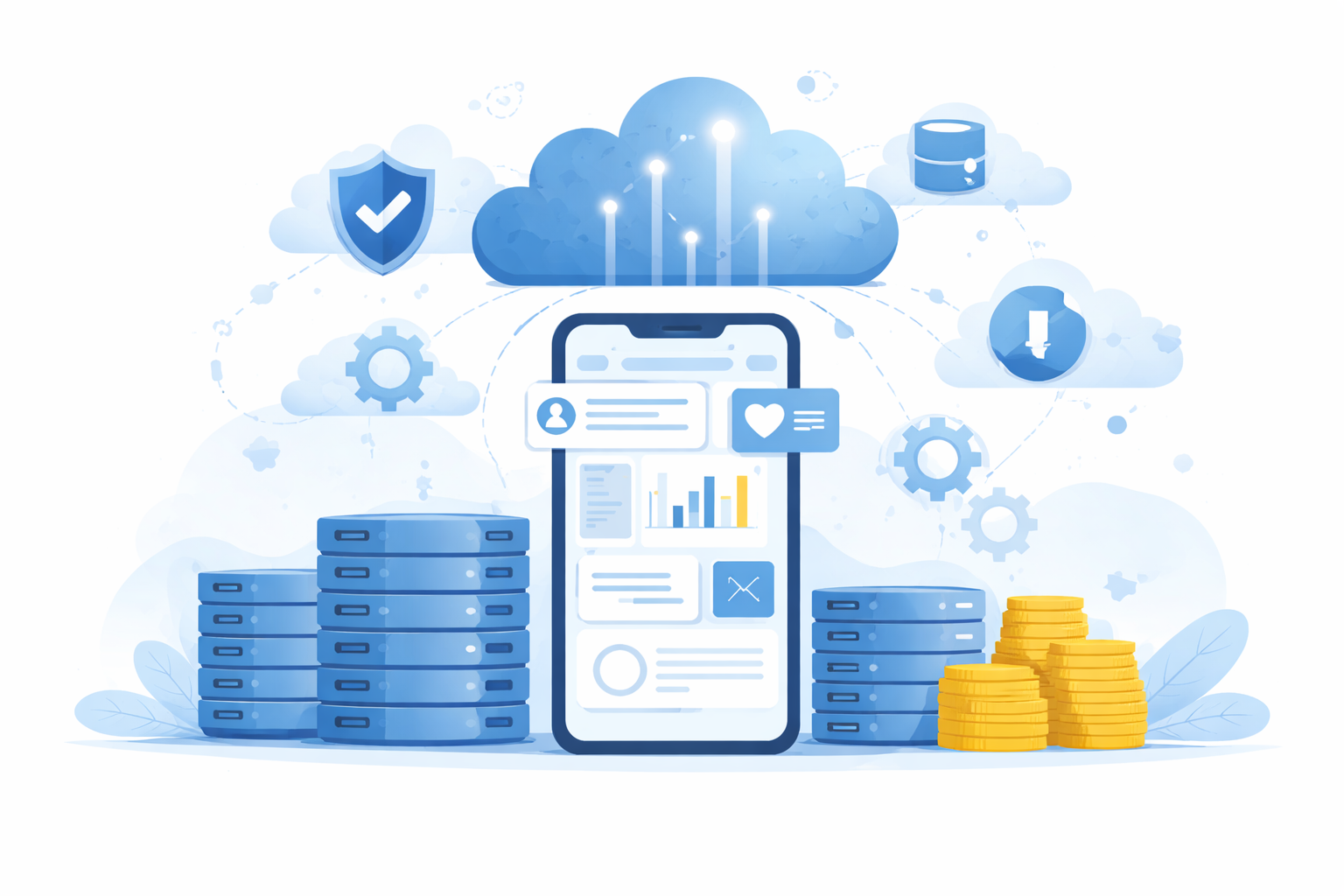
Let us talk about the invisible force behind every great scalable app.
The cloud.
You have probably heard this term a thousand times. But what does it actually mean for your mobile app? Let us cut through the confusion.
Why Cloud Matters
In the old days apps ran on physical servers. You bought machines and stored them somewhere and hoped they could handle traffic.
If demand doubled, you bought more machines.
Cloud based mobile applications changed everything.
Now your app runs on servers managed by companies like Amazon or Google or Microsoft.
Need more power during a busy period? The cloud provides it instantly. Traffic drops at night? You stop paying for resources you do not need.
Simple as that.
Benefits Your Business Actually Feels
Here is what cloud solutions mean in real terms:
- Pay only for what you use. No wasted money on idle servers.
- Scale instantly. Handle traffic spikes without breaking a sweat.
- Reliable uptime. Cloud providers maintain systems around the clock.
- Global reach. Serve users worldwide without building data centres everywhere.
- Automatic backups. Your data stays safe even when problems occur.
Mobile App Infrastructure Scaling
This is where cloud truly shines. Mobile app infrastructure scaling happens automatically in well designed cloud setups.
Your app detects increased demand and grabs more resources without anyone pressing buttons.
Black Friday sale bringing unexpected traffic? Handled. Viral social media moment sending thousands of new users? No problem. Your app adjusts and keeps running smoothly.
Real Time Mobile App Development
Building apps that update instantly? Think chat features or live notifications or real time tracking. Cloud makes real time mobile app development possible without massive infrastructure investments.
Everything syncs across devices in milliseconds. Users see updates immediately. The experience feels magical but the technology behind it is surprisingly accessible today.
SaaS and Cloud Native Options
Many businesses now choose scalable SaaS app development. Software as a Service models work beautifully with cloud infrastructure. Users access your app through subscriptions and everything runs online seamlessly.
Cloud native mobile apps take this further. These apps are designed specifically for cloud environments from the ground up. They maximise every advantage the cloud offers.
Wondering how successful businesses plan their app’s future alongside cloud solutions? Explore building a long term app roadmap for helpful insights.
The bottom line? Cloud solutions remove old limitations. Your app grows freely without physical constraints holding it back.
Building a Strong Backend That Grows with You
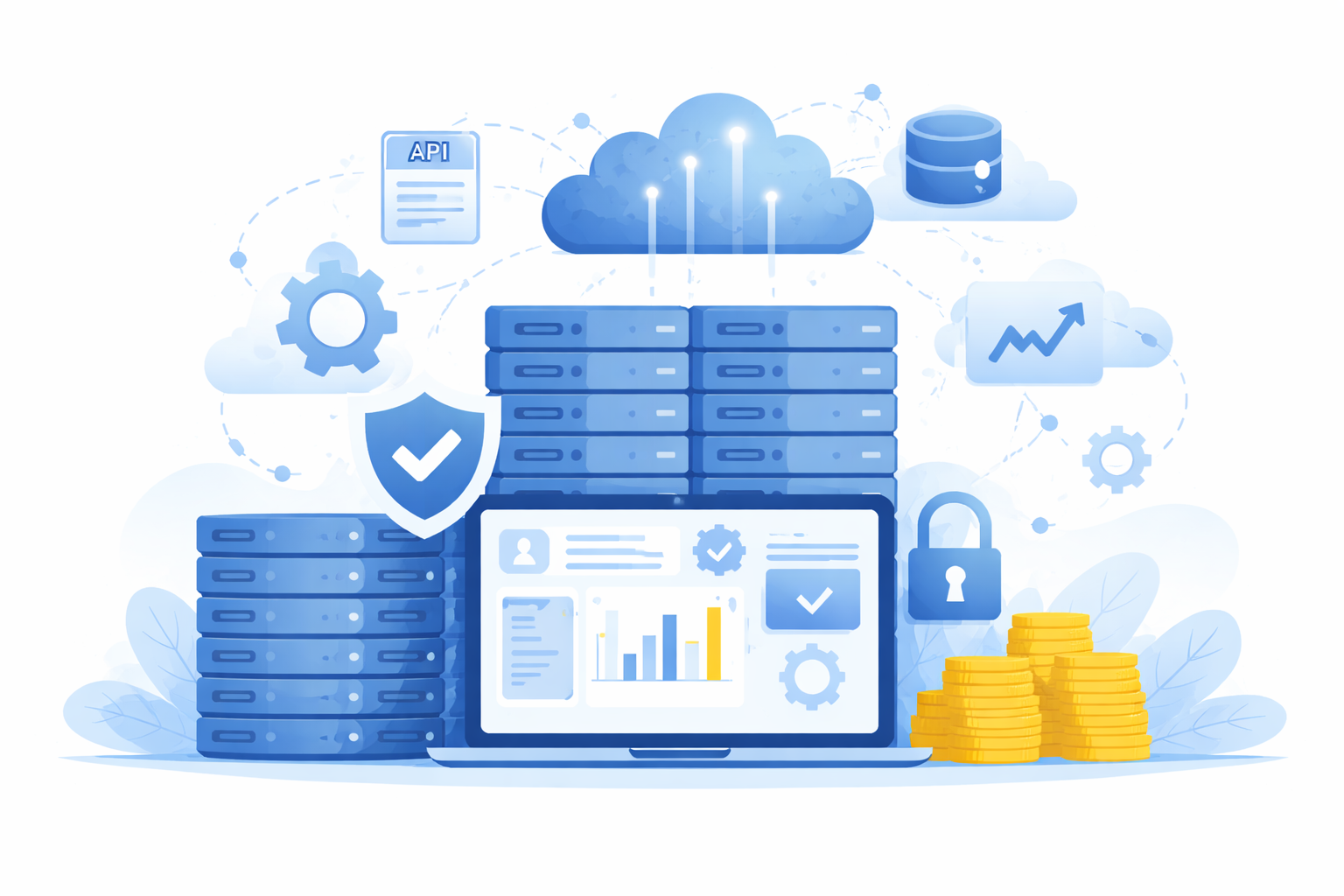
Your users never see the backend. They tap buttons and scroll screens and enjoy features without thinking about what happens underneath.
But here is the truth. The backend makes or breaks everything.
Think of it as the kitchen in a restaurant. Customers only see the dining room. Yet everything delicious comes from that hidden kitchen. A messy, slow kitchen ruins the entire experience.
Your app’s backend works exactly the same way.
What the Backend Actually Does
Every action in your app triggers something behind the scenes:
- User logs in? Backend verifies credentials.
- Someone makes a purchase? Backend processes payment.
- New message arrives? Backend delivers it instantly.
- Profile photo uploads? Backend stores it safely.
All of this happens in milliseconds. Users never wait. They never wonder. Things just work.
That is a strong backend doing its job quietly.
Why Backend Development for Mobile Apps Needs Extra Attention
Many businesses rush through backend planning. They focus on pretty screens and cool features. Then problems appear six months later when the app cannot handle real traffic.
Fixing backend issues after launch is painful. Expensive too. Smart planning upfront saves enormous headaches later.
Key Ingredients of a Scalable Backend
Database Design
Your database stores everything. User information and transaction records and content and preferences.
A poorly designed database slows down as data grows. A well designed one handles millions of records without blinking.
API Development for Mobile Apps
APIs connect your app to the backend and to outside services. Clean, well-built APIs make everything communicate smoothly. Messy APIs create bottlenecks and errors and frustrated users.
Load Balancing
When thousands of users hit your app simultaneously, load balancers spread traffic evenly. No single server gets overwhelmed. Everything stays fast and stable.
Caching
Some information gets requested constantly. Caching stores frequently accessed data closer to users. Pages load faster. Servers work less. Everyone wins.
DevOps for Mobile App Development
Here is a term worth understanding. DevOps combines development and operations into one smooth process. Instead of building features and then separately figuring out deployment, everything flows together.
DevOps for mobile app development means:
- Faster updates reaching users
- Fewer bugs slipping through
- Quicker recovery when problems occur
- Smoother collaboration across teams
Companies serious about scaling embrace DevOps practices early.
Microservices Revisited
Remember our earlier discussion about microservices architecture for mobile apps? The backend is where this approach truly shines.
Breaking your backend into independent services creates flexibility. Each piece scales separately. Problems stay isolated. Updates happen faster.
For rapidly growing businesses, microservices backends handle expansion gracefully.
End-to-End Thinking
The best results come from end-to-end mobile app development. This means considering frontend and backend and infrastructure together from the start. Nothing gets treated as an afterthought.
When teams plan holistically, everything fits together naturally. Performance stays strong as your business scales.
Common Backend Mistakes
Plenty of businesses stumble over the same issues:
| Mistake | Consequence |
| Ignoring database optimization | Slow queries frustrate users |
| Building APIs without documentation | Future updates become nightmares |
| Skipping security measures | Data breaches destroy trust |
| No monitoring in place | Problems go unnoticed until users complain |
Want to avoid these traps and others? Read about costly app development mistakes before they happen to you.
Getting Backend Help
Backend development requires specific expertise. Not every team has deep experience here. And that is okay.
Mobile app development services often include backend specialists who handle the technical heavy lifting. You focus on business goals while experts build the engine underneath.
Boolean Inc. offers complete solutions covering frontend and backend and everything in between. Growing businesses benefit from having all pieces handled by one experienced team.
Your backend deserves serious attention. Build it strong and your app performs beautifully no matter how fast success arrives.
Essential Features Every Scalable Business App Needs
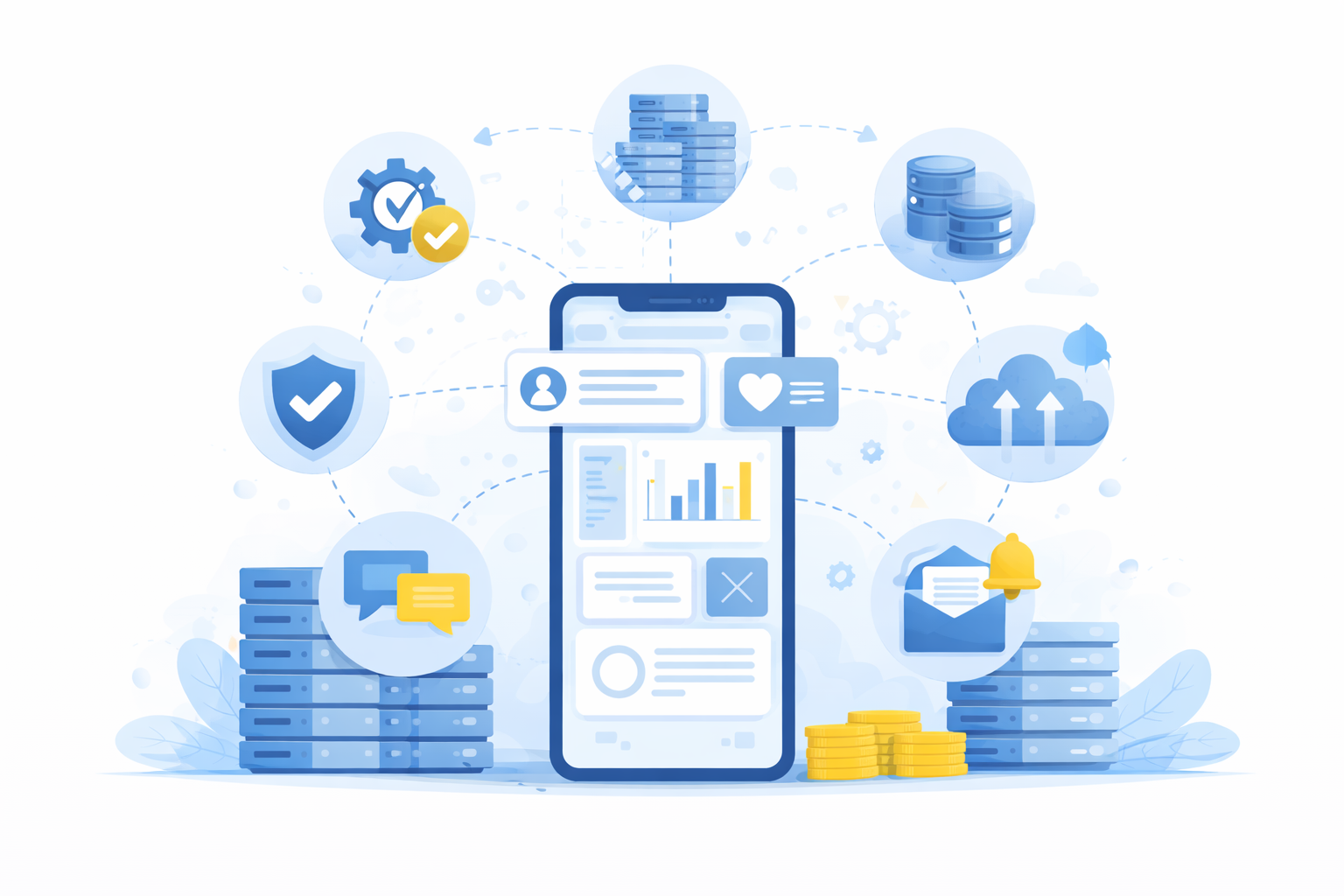
So, your architecture is solid. Backend is strong. Cloud infrastructure handles growth beautifully.
Now what actually goes inside the app?
Features matter. A lot. But here is where many businesses go wrong. They stuff apps with everything imaginable. The result? Confused users and bloated performance and wasted money.
Smart businesses think differently. They focus on features that truly matter.
User Authentication That Just Works
Every app needs login functionality. Sounds basic right? Yet so many apps mess this up.
Users want options. Email login. Social media login. Maybe fingerprint or face recognition. Give them choices, but keep the process quick.
Nobody wants to fill out ten fields just to get started. Make signing up effortless and users will stick around.
Smooth Onboarding Experience
First impressions happen fast. A confusing first minute loses users forever.
Great onboarding guides people gently. Short tutorials. Helpful tips. Clear next steps. Users understand value immediately without feeling overwhelmed.
Push Notifications Done Right
Notifications keep users engaged. But annoying notifications get apps deleted.
The balance matters. Send relevant, timely messages. Let users control preferences. Never spam. Pay attention, and users will appreciate you for it.
Offline Functionality
Internet connections fail sometimes. Especially on mobile devices. Does your app become useless when wifi disappears?
Scalable apps handle offline moments gracefully. Users access key features without connection. Data syncs automatically when the internet returns. Frustration stays low.
Payment Integration
Selling something through your app? Payment processing must feel secure and simple.
Users trust familiar options. Credit cards. Digital wallets. Buy now pay later services. Offer popular choices and transactions happen smoothly.
Mobile app security solutions protect every transaction. Users need confidence their money stays safe.
Analytics and Insights
How do users actually behave inside your app? Which features do they love? Where do they get stuck?
Built in analytics answer these questions. Data guides improvements. You stop guessing and start knowing.
Search Functionality
As content grows finding things becomes harder. Strong search saves users time.
Filters help too. Let people narrow results quickly. The faster users find what they want the happier they feel.
Real Time Updates
Modern users expect instant information. Chat messages appear immediately. Order statuses update live. Notifications arrive the moment something happens.
Real time mobile app development creates these experiences. Delays feel outdated now. Speed wins loyalty.
Profile Management
Users want control over their accounts. Easy profile editing. Password changes. Privacy settings. Subscription management.
Give users this control and trust builds naturally.
Customer Support Access
Problems happen. Questions arise. Users need help sometimes.
In app support options make reaching you easy. Chat features. FAQ sections. Contact forms. Quick responses turn frustrated users into loyal fans.
Features Startups Should Prioritize
Building your first app? You cannot include everything immediately. And you should not try.
Mobile app development for startups focuses on core value first. What one problem does your app solve brilliantly? Start there.
Wondering which features make the biggest impact? Explore top mobile app features every business should have for practical guidance.
Features for Enterprise Needs
Larger businesses have different requirements. Mobile app development for enterprises often includes:
- Advanced user permissions
- Complex workflow automation
- Integration with existing company systems
- Detailed reporting dashboards
- Multi language support
Enterprise mobile app development handles these sophisticated needs while maintaining scalability.
Feature Creep Warning
Here is something important. Adding features feels productive. But too many features create problems.
Apps become slow. Users feel confused. Development costs explode. Maintenance becomes exhausting.
Every feature should earn its place. Ask yourself honestly. Does this help users accomplish their goals? If the answer feels uncertain, maybe skip it for now.
Custom mobile app development allows you to choose precisely what your business needs. Nothing extra. Nothing missing. Just right.
Curious how mobile apps transform daily business operations? Discover how businesses can transform operations with custom mobile apps for real inspiration.
The best apps feel simple even when powerful technology runs underneath. Focus on features users actually need and your app becomes indispensable.
Conclusion
We covered a lot of ground together.
Scalability is not just a technical buzzword. It is the difference between apps that grow gracefully and apps that crash when success arrives. Your business deserves an app that keeps pace with your ambitions.
Let us quickly revisit what matters most.
The Big Picture
Building scalable mobile apps requires thoughtful decisions at every stage:
- Architecture choices shape everything that follows
- Native or cross-platform depends on your unique needs
- Cloud solutions remove old limitations on growth
- Strong backends power smooth user experiences
- Smart features create real value without unnecessary bloat
Skip any piece and problems show up eventually. Plan carefully and your app will support your business for years to come.
Starting Does Not Mean Perfection
Here is something worth remembering. You do not need everything figured out today.
Many successful businesses begin with simple apps. They launch quickly. Learn from real users. Improve continuously. Scalable architecture makes this approach possible without painful rebuilds later.
Mobile app modernization services help existing apps evolve too. Already have an app that struggles? Transformation remains possible.
Avoid Common Traps
Rushing leads to regret. Cutting corners creates expensive problems. Ignoring scalability until later costs more than planning upfront.
Smart founders learn from others who stumbled before them.
Finding the Right Partner
Building scalable apps requires experience. The right mobile app development company understands both technical requirements and business goals. They guide you through decisions without drowning you in jargon.
Look for partners offering:
- Mobile app consulting services for strategic guidance
- End-to-end mobile app development covering every stage
- Mobile app maintenance and support after launch
- Proven experience with scalable app development
The wrong partner builds something that works today but fails tomorrow. The right partner builds for your future.
Need help evaluating options? Learn how to choose the right app development company before making commitments.
Your Checklist Moving Forward
Ready to take action? Here is a simple starting point:
| Step | Action |
| 1 | Define your core business goals clearly |
| 2 | Identify your target users and their needs |
| 3 | Research architecture options that fit your situation |
| 4 | Consider cloud solutions for flexible scaling |
| 5 | Prioritize features that deliver real value |
| 6 | Find experienced partners who understand scalability |
| 7 | Plan for growth even if starting small |
Are you hiring help for the first time? A startup founder checklist for hiring app developers makes the process smoother.
Small Businesses Win Too
Scalability is not just for big corporations. Local businesses benefit enormously from mobile apps built right.
Customer engagement increases. Operations streamline. Revenue grows. Discover how to use mobile apps to grow your local business for practical ideas.
Retail businesses especially see strong returns. Explore how retail businesses can boost revenue with a mobile app if that applies to you.
Brand Building Through Apps
Your app represents your brand. Every interaction shapes how customers perceive you. Slow buggy apps damage reputation. Fast reliable apps build trust.
Learn how a mobile app can improve your brand presence to maximise this opportunity.
Looking Ahead
Technology keeps evolving. AI brings exciting possibilities. Explore integrating AI in mobile apps when ready for advanced features.
Custom software opens even more doors. The complete custom software development guide helps beginners understand broader options.
Final Thoughts
Building a scalable mobile app feels overwhelming sometimes. So many decisions. So many options. So much at stake.
But here is the good news. You do not have to figure everything out alone.
Boolean Inc. helps growing businesses build apps ready for whatever comes next. From initial planning through launch and beyond, the right support makes all the difference.
Your business is growing. Your customers are waiting. Your competitors are moving.
Now is the time to build something that scales.
Take the first step today. Your future self will thank you.
FAQs
- What does scalable mobile app development mean?
Scalable mobile app development means building apps that handle growth smoothly. More users join and performance stays strong. Your app expands alongside your business without needing complete rebuilds.
- How long does it take to build a scalable mobile app?
Timelines vary based on complexity. Simple apps take two to four months. More complex apps with advanced features may need six months or longer. Starting with an MVP speeds up your initial launch.
- Should startups worry about scalability from day one?
Absolutely. Building scalable foundations early costs less than fixing problems later. Even small apps benefit from smart architecture choices that support future growth.
- What is the difference between native and cross-platform apps?
Native apps are built separately for iPhone and Android. They offer top performance but cost more. Cross platform apps use one codebase for both platforms. They save time and money while still delivering great results.
- How do cloud solutions help mobile apps scale?
Cloud solutions provide flexible resources on demand. Traffic spikes get handled automatically. You pay only for what you use. Your app stays fast and reliable no matter how quickly your business grows.