Introduction
Choosing the right app development company can feel confusing at first.
There are many options. Every company promises big results. But not all of them will truly understand your business needs.
A mobile app is no longer just an extra tool. It has become a strong way to connect with customers, build trust, and grow faster.
If you pick the wrong partner, you may face delays, wasted money, or an app that does not match your vision. That can be frustrating.
The right choice makes everything easier. A leading mobile app development company listens to your ideas, guides you step by step, and helps turn your goals into a useful app.
Many businesses look for a top mobile app development company USA because of quality, experience, and clear communication.
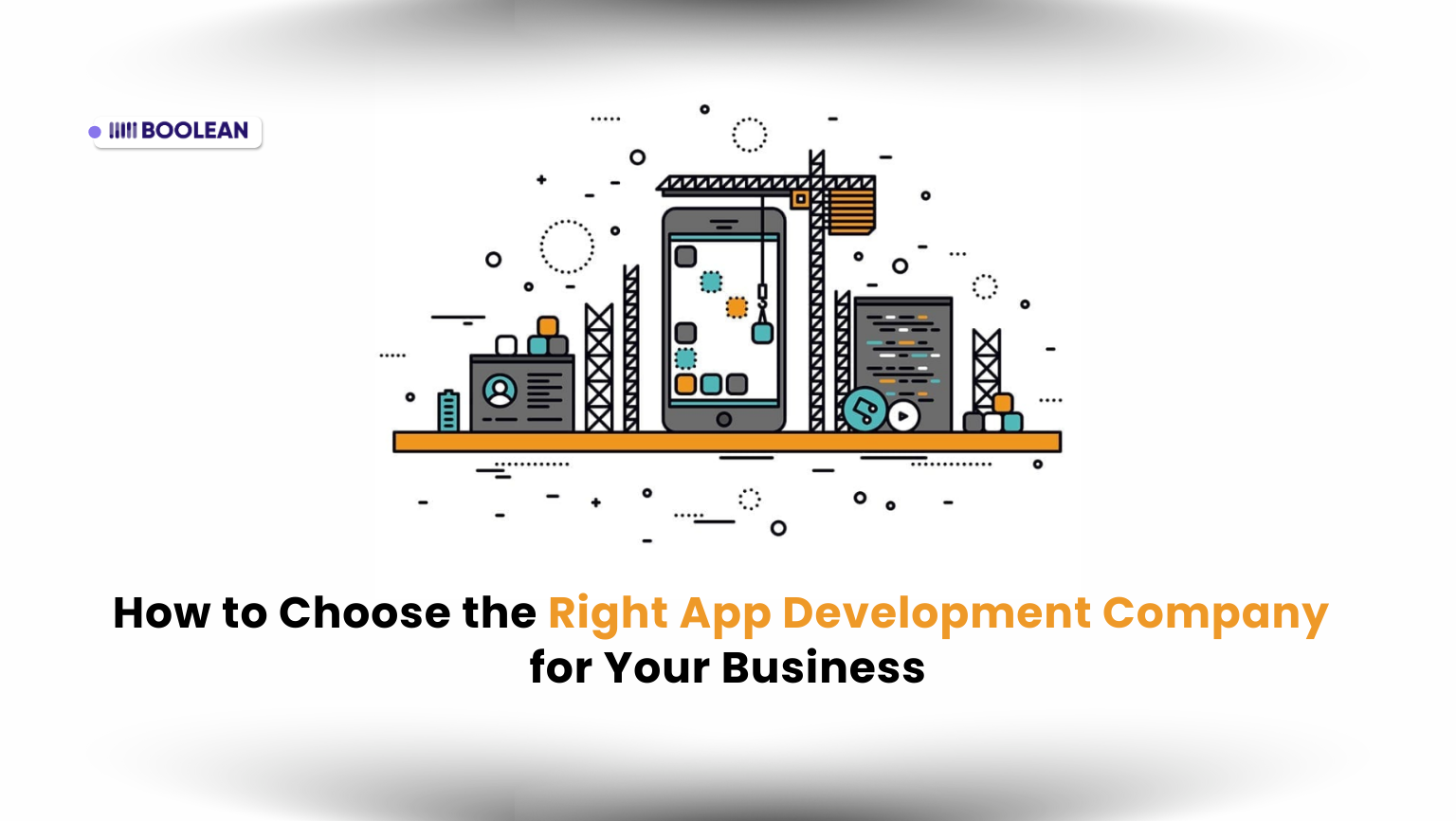
This guide is just simple guidance to help you choose the right app development company for your business with confidence.
Understand Your Business Goals Before You Start Looking
Before you compare companies, get clear on what you want the app to do. This step saves you from wasted calls. It also helps you spot a team that truly understands your business.
Start simple. Think in outcomes, not fancy features.
1) Decide what the app is for
Pick your main goal first. One clear goal beats ten vague ones.
Common goals include:
- Sell more through easier ordering or booking
- Keep customers coming back with rewards or reminders
- Reduce support requests with self-serve help
- Speed up your internal work, like scheduling or approvals
- Build brand presence so people remember you
If you are still unsure whether you even need an app, read this first: Mobile Apps vs Websites: Why Businesses Should Choose Apps
2) Know who the app is for
You do not need a perfect customer profile. You just need a clear picture.
Write down:
- Who will use it most
- What they struggle with today
- What would make them say, “This is so much easier.”
One short sentence helps a lot:
- “This app is for ___ who want to ___ without ___.”
3) List the “must have” features
Keep it tight. Aim for 5 to 8 must haves.
Examples:
- Sign up and login
- Browse products or services
- Booking or checkout
- Push messages for updates
- Payments
- Order history or tracking
- Contact support
Then add a second list for “nice to have” ideas. These can wait.
4) Define what success looks like
This is where many businesses get stuck. Do not overthink it. Pick a few simple numbers you can track.
Here is a quick table you can use.
| Business goal | Simple app outcome | Easy way to measure it |
| More sales | Faster buying | More orders per week |
| More repeat customers | People return often | Repeat purchases per month |
| Less support workload | Fewer questions | Fewer calls or emails |
| Stronger loyalty | More engagement | More active users each week |
5) Create a one page app brief
This is your “clear message” for every company you talk to.
Include:
- Your business and your customers
- The main goal of the app
- Your must-have features
- Any examples of apps you like
- Your rough timeline
When you have this, shortlisting becomes easier. The right company will ask good questions. They will not rush you. They will help you shape the plan before talking about building details.
What to Look for in an App Development Company
When you search online, you will see a lot of big claims. “Award-winning.” “Best in class.” “Trusted by brands.” Nice words. They do not guarantee a smooth project.
What actually matters is how the company works with you day to day. The right team makes the process feel clear. The wrong team makes it feel confusing.
Here are the most important things to look for when choosing a partner, even if you are aiming for a top mobile app development company USA.
1) They understand your business, not just your idea
A strong company asks questions first. They want to learn how your business makes money and how customers behave.
Look for questions like:
- Who will use the app most?
- What is the one action you want users to take?
- What will make this app worth it for your business?
- How will you promote the app after launch?
If they jump straight into price and promises, pause.
2) They explain things in plain English
You should never feel lost in a call. The best teams can explain the plan in a way that feels simple.
Green signs:
- They use clear examples.
- They repeat key points in writing after meetings.
- They tell you what happens next and when.
If you feel talked over, that usually gets worse later.
3) They care about the people using the app
A business app is not only about features. It is about how easy it feels to use.
Ask how they handle:
- Simple screens and easy steps
- Clear buttons and wording
- First-time user experience
- Accessibility basics like readable text sizes
Small choices here can decide if people keep the app or delete it.
4) They are clear about ownership and privacy
This is important. You are paying for the app. You should own what is made for you.
Ask for clear answers on:
- Who owns the finished app when it is done?
- Will you get all the final files and access?
- How do they protect your business idea?
- Can they sign a basic confidentiality agreement?
A trustworthy company will not act strangely about this.
5) They offer support after launch
Launching is not the finish line. You will need updates, fixes, and improvements over time.
Ask what support looks like:
- How long do they help after launch?
- How fast do they respond if something breaks?
- Do they offer a monthly support option?
A leading mobile app development company will talk about long-term care without you having to beg for it.
6) They give you a realistic plan, not a fantasy
Good teams do not promise “everything in two weeks.” They set expectations early.
You want:
- A clear timeline with simple milestones
- Honest notes about what could slow things down
- A plan for testing before launch
Fast is nice. Reliability is better.
Quick checklist you can use on calls
| What to check | What “good” looks like |
| Business understanding | They ask smart questions about customers and goals |
| Clarity | They explain steps in plain English |
| Usability focus | They talk about ease of use, not only features |
| Ownership and privacy | Clear written terms and basic confidentiality |
| After-launch support | Support options are included and explained |
| Timeline honesty | Realistic milestones with no wild promises |
If a company hits most of these points, you are in a strong place. If they miss several, keep looking. Your time is valuable. Your budget is too.
Experience, Portfolio, and Past Work Speak Loudly
A website can say anything. Past work cannot.
If you want to feel confident about hiring an app development company, spend more time on their experience and real results. This is where strong teams stand out from “we can do everything” teams.
Even a top mobile app development company USA should be able to prove three things. They have done similar work. They delivered it well. They supported it after launch.
Look for experience that matches your business
Not all apps are the same. A shopping app has different needs than a booking app. A healthcare app has different expectations than a food delivery app.
Ask if they have built apps like yours, such as:
- Ecommerce apps
- Booking and appointment apps
- Customer loyalty apps
- Business apps for internal teams
- On-demand service apps
If you are a startup, you will also want a team that understands simple first versions. You can explore this list for ideas: MVP Development Companies in the USA
Review the portfolio like a customer, not like a judge
Do not only look at pretty screenshots. Try to “feel” the app.
When you review their portfolio, check:
- Is it easy to understand what to do on each screen?
- Do the screens look clean and consistent?
- Does the app feel fast and smooth in videos?
- Does it look friendly for first-time users?
If they show real apps, search them in the App Store or Google Play. Download one. Use it for two minutes. You will learn more than you will from ten slides.
Ask for results, not only features
A good mobile app development agency will share outcomes. Simple ones are fine.
Examples of useful proof:
- “Bookings increased after launch.”
- “Support requests went down.”
- “More repeat customers joined the loyalty program.”
- “The app helped the business grow into new locations.”
If they cannot share numbers, ask for a clear story. What was the problem? What did they change? What happened next?
Make sure they can handle your platform needs
Some businesses only need one version at first. Many need both.
Ask this in plain words:
- Can you build for iPhone and Android?
- Will the app look and feel right on different screen sizes?
- Can you help with app store publishing?
- Do you offer app updates and app maintenance later?
You are not trying to catch them out. You are checking if they can guide you.
Talk to past clients if you can
Reviews help, yet a short call helps more.
Ask for one or two references. Then ask:
- What was the best part of working with them?
- What was the hardest part?
- Did they communicate clearly each week?
- Did they stay helpful after launch?
Quick portfolio checklist
Use this when you compare companies.
- They have apps similar to my industry or business model
- Their apps look simple and easy to use
- Their work shows real outcomes, not only features
- They can support iOS and Android needs
- They can share references or clear case stories
Strong experience is not about being famous. It is about being reliable. That is what you want when you hire a top mobile app development company USA.
Communication, Support, and Long-Term Partnership
A great app idea can still fail when communication is messy. Updates get missed. Assumptions grow. Small problems turn into expensive delays.
You are not only hiring a team to build an app. You are choosing a partner you will work with for weeks or months. Sometimes longer.
Good communication is not “nice to have.” It is part of what you are paying for. When updates are clear, you decide faster. When updates are unclear, the project slows down.
You should also feel comfortable asking basic questions.
If you feel embarrassed on the first call, the working relationship will feel heavy later. A good mobile app development agency makes things easy to understand.
1) How they communicate tells you a lot
The early stage is a preview of the future. If replies are slow now, they will not get faster later.
Look for simple signals:
- They answer questions in plain English.
- They listen first. They do not rush to pitch.
- They share meeting notes after calls.
- They give you one main contact person.
- They set a steady update routine, like a weekly check-in.
Watch how they listen. Do they repeat your goal back to you in their own words? Do they ask follow-up questions that show they understood your business problem? Small signals like these matter more than a polished sales talk.
Also, notice if they put key things in writing. A simple summary email after a call can prevent future arguments. It also protects both sides.
2) You should always know what is happening next
You should never wonder, “What are they doing this week?”
A reliable company offers a simple way to track progress:
- Clear steps with dates
- Short updates you can read in one minute
- Quick previews so you can react early
- A list of decisions they need from you
Also, ask what they need from you each week. Many delays happen because business owners do not know what is expected.
You may need to provide:
- your logo and brand colors
- photos, menu items, or service details
- simple wording for screens
- approval on the main screens before they move forward
If a company cannot explain your role, that is a red flag.
3) Support after launch matters more than most people think
Launch day is exciting. It is also when real life starts. Real users behave in surprising ways. Phone updates happen. A tiny issue can become a big headache.
Ask about post-launch support in practical terms:
- How fast do you respond if something breaks?
- Do you fix small issues without drama?
- Do you offer ongoing app maintenance?
- Can you help you improve the app based on user feedback?
If you want to think beyond launch and focus on growth, this is worth reading: How a Mobile App Can Improve Your Brand Presence in 2026
4) A good partner helps you grow in steps
Most businesses do not need everything on day one. They need the right first version. Then they improve it based on what works.
A strong partner will help you:
- Choose the next best feature
- Avoid adding too much too soon
- Keep the app easy for customers
- Plan upgrades without disrupting users
If smarter features are on your roadmap, keep this handy: Integrating AI in Mobile Apps: Startup Guide 2026
5) Ask how they handle problems and changes
Problems happen in every project. What matters is how the team reacts.
Ask questions like:
- What do you do when a deadline slips?
- How do you handle changes after we start?
- How do you prevent misunderstandings?
A good answer sounds calm and clear. It includes a plan. It does not include blame.
One simple question can reveal a lot:
“What usually slows projects down and how do you prevent it?”
6) Local fit can be a real advantage
Some businesses prefer a nearby team for time zone comfort. Some want the option of in-person meetings.
If you want a local option, these guides can help you compare:
Quick call checklist
Use this in your next conversation:
- Who is my day-to-day contact?
- How often will I get updates?
- How will I see progress without chasing you?
- What support is included after launch?
- What does ongoing support cost if we want it?
The best partnership feels steady. You feel informed. You feel heard. That is when your app has the best chance to succeed long term.
Budget, Timelines, and Avoiding Common App Development Mistakes
This is the part most business owners worry about. How much will it cost? How long will it take? What if something goes wrong?
Good news. You can reduce risk a lot with a few clear steps.
1) Start with a budget range, not a single number
A budget works best when it is a range. It gives you room to make smart choices.
If you want a simple way to plan your numbers, use this guide: How to Create an App Development Budget
Here is a beginner-friendly way to think about app costs. Most budgets are not “one big cost.” They are a set of smaller costs.
Typical budget buckets (simple view)
| Budget area | What it covers | Why it matters |
| Planning | Clarifying goals, user flow, and feature list | Prevents expensive rework later |
| Design | How the app looks and feels, screen layout | Makes the app easy to use |
| Build work | Turning screens into a working app | This is the main portion |
| Testing | Catching issues before launch | Fewer bad reviews at launch |
| App store launch help | Publishing support and final checks | Avoids last-minute delays |
| Ongoing support | Updates, fixes, small improvements | Keeps the app stable over time |
A trustworthy team will explain these parts clearly. A top mobile app development company USA will also tell you what is included and what is not included.
2) Know what changes the cost the most
Two apps can sound similar and still cost very different amounts.
These things usually raise the cost:
- More screens and more steps for the user
- User accounts with different roles (customer, staff, admin)
- Payments and subscriptions
- Live tracking, location features, or delivery style flows
- Chat, messaging, or real-time updates
- Connecting with other tools you already use (like inventory or booking tools)
- Extra security needs if you handle sensitive data
A simple “first version” is often the smartest move, especially for a startup.
If you want startup-focused numbers and examples, read: App Development Cost for Startups
3) Compare quotes the right way (avoid the cheap-quote trap)
A low quote can be real. It can also be missing key parts.
When you compare app development services, do not compare only the final price. Compare what you get.
Quote comparison table (use this in your notes)
| What to compare | What to ask | What you want to hear |
| Feature list | “Can you list what is included?” | A clear list you can check off |
| Number of screens | “How many screens are you pricing for?” | A realistic count based on your needs |
| Timeline | “What are the main milestones?” | A step-by-step plan |
| Revisions | “How many changes are included?” | A clear limit and a clear process |
| Launch support | “Will you help with app store release?” | Yes, with a defined scope |
| After-launch support | “What happens after launch?” | Support options and response times |
If a company will not put details in writing, be careful.
4) Timelines: what is realistic for a business app?
Timelines depend on the size of your app. They also depend on how fast decisions get made.
Most delays are not caused by the company. They are caused by unclear goals, too many changes, or slow approvals.
A simple project timeline usually looks like this:
Typical app timeline (high-level)
| Stage | What happens | Common time range |
| Discovery and planning | Goals, feature list, basic plan | 1–3 weeks |
| Design | Main screens and user flow | 2–6 weeks |
| Build work | App is created in working form | 6–16+ weeks |
| Testing and fixes | Issues are found and corrected | 2–6 weeks |
| Launch and follow-up | App store release and early support | 1–3 weeks |
Shorter timelines can happen. They are more likely when the first version is focused.
5) The most common mistakes that waste time and money
Many business owners make the same mistakes. It is normal. It is also avoidable.
If you want a full list with examples, read: App Development Mistakes Startups Must Avoid
Here are the big ones to watch for:
Mistake 1: Trying to build the “perfect” app first
Perfect is expensive. It is also slow. Start with what customers need most.
Mistake 2: Changing the plan every week
Some changes are healthy. Too many changes break budgets and timelines.
Mistake 3: Skipping testing time
Rushing to launch can lead to crashes and bad reviews. First impressions stick.
Mistake 4: Forgetting about ongoing costs
Apps need care. Updates happen. Users report issues. Plan for app maintenance.
Mistake 5: Not agreeing on what “done” means
You want clear finish lines. You also want clear handover and ownership terms.
6) A simple way to protect your budget
Use a “must-have” list and a “nice-to-have” list.
That one habit can save you thousands.
Try this format:
- Must have: needed for launch and for the main goal
- Nice to have: helpful later after users give feedback
It also makes your conversations with any app development agency much easier.
Quick questions to ask before you sign
- What is included in the price in plain English?
- What could increase the cost later?
- What is the timeline and the main milestones?
- How do we handle changes after we start?
- What support do you offer after launch?
When the budget and timeline are clear, everything feels calmer. You make better choices. You stay in control.
Boolean Inc.: A Trusted App Development Partner for Growing Businesses
Boolean Inc. is a name many businesses come across when searching for a reliable app partner. The company focuses on understanding business ideas first, not rushing into work. That approach helps beginners feel more comfortable and confident from the start.
What makes Boolean Inc. stand out is its clear and friendly process. They take time to listen. They ask simple questions. They explain things in a way that makes sense, even if you are new to mobile apps. This helps avoid confusion and keeps the project on track.
Businesses often choose Boolean Inc. because:
- They focus on real business needs, not trends
- They guide clients step by step
- They value long-term relationships, not quick wins
- They keep communication open and easy to follow
Many startups and growing brands see Boolean Inc. as a top mobile app development company USA because of its balanced approach. It blends experience with simplicity.
If you want a team that supports your vision without overwhelming you, this is a company worth considering.
Conclusion
Choosing the right app development company is really about choosing a long-term partner you can trust. Look for clear past work, simple communication, and support that stays strong after launch.
When goals, budget, and timeline are clear, the whole project feels easier and results come faster.
If you take your time to compare options the right way, you will be in a great position to hire a top mobile app development company USA that fits your business and helps you grow.
FAQs
- How do I choose the right app development company for my business?
Look for a company that understands your business goals and communicates clearly. Experience and trust matter more than big promises.
- How much does app development usually cost for beginners?
Costs depend on features and app size. A clear plan and budget discussion early can prevent surprises later.
- Why should small businesses invest in a mobile app?
A mobile app helps you stay closer to customers. It improves visibility, trust, and long-term growth.
- How long does it take to build a business app?
Most apps take a few months to complete. Timelines depend on planning, feedback, and feature complexity.
- Should startups hire a local or US-based app development company?
Many startups prefer a top mobile app development company USA for better communication, quality, and ongoing support.