Introduction
Look around your store for a moment. Your customers may be browsing the shelves, yet their eyes still drop to their phones.
They compare prices. They read reviews. They check if they can get the same product delivered to their door.
This is the world your retail business now lives in.
Mobile first. Fast. Always on. If your shop only lives on the street or only on a basic website, you leave money on the table.
A mobile app can turn casual visitors into loyal buyers. It can bring people back more often. It can increase how much they spend each time they shop.
You do not need to be a tech expert to see the value.
A good retail app simply makes shopping with you easier and more enjoyable.
It can put your offers in front of customers at the right moment. It can keep all their rewards in one place. It can guide them from browsing on the sofa to buying in your store.
If you still wonder whether an app is better than “just a website” you can explore this in more detail in our guide Mobile Apps vs Websites.
In this article, we will stay focused on one clear question. How can a mobile app help your retail business boost revenue in practical everyday ways?
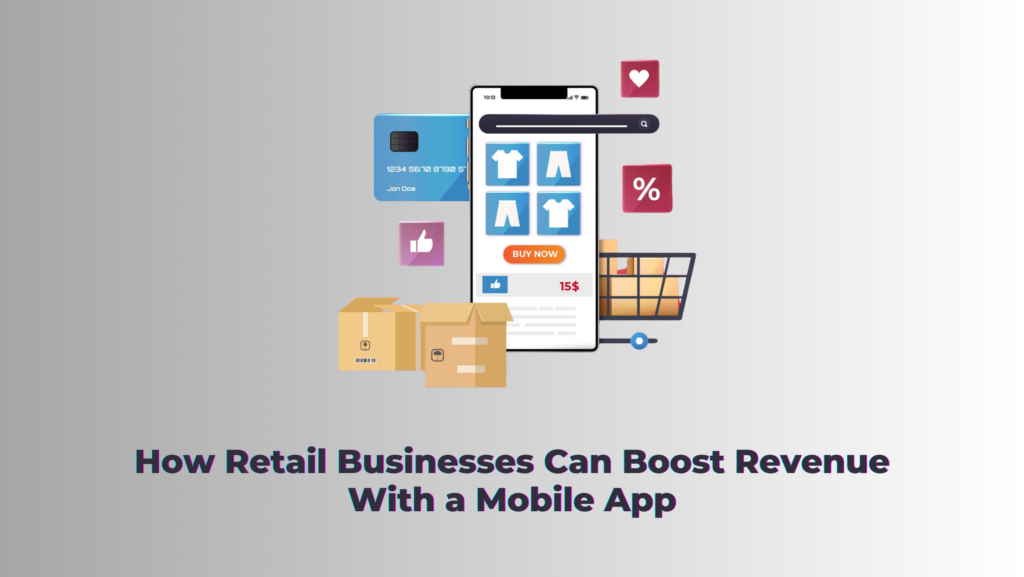
This blog will guide you through simple and practical ways a mobile app can help retail businesses increase revenue.
What a Mobile App Can Do for a Retail Store
Before you think about features or design, it helps to see the big picture. What can a mobile app actually do for a retail shop like yours?
At a simple level, it puts your store in your customer’s pocket.
They can browse your products anywhere. They can check prices while they wait for a bus. They can see if an item is in stock before they leave home.
That alone can lift both foot traffic and online orders.
A retail app can also act like your best sales assistant who never goes home. It can
- Suggest products that go well together
- Remind people about items they looked at but did not buy
- Show offers that match the customer’s taste
- Keep all vouchers and loyalty points in one safe place
Over time an app can change how your whole business runs. You see what people search for most. You notice which products sell together. You spot quiet times in the week then push offers to fill those gaps.
If you want to explore this wider impact, you can look at How Businesses Can Transform Operations With Custom Mobile Apps which shows how apps can support daily work, not just sales.
With the right idea your app becomes more than a digital catalog. It becomes a direct line to your customers, a source of insight and a steady driver of extra revenue.
Ways a Mobile App Can Boost Your Store Revenue
A mobile app is not just a small version of your website. Used well it becomes a quiet sales machine that works all day in the background.
Here are practical ways it can help you earn more from every customer.
Bring More Shoppers Back With Push Notifications
People forget. Your app helps them remember you.
You can send short messages to a customer’s phone when
- A new collection arrives
- A product they like is back in stock
- A sale is about to end
- Their loyalty points are close to a reward
Done with care push notifications feel helpful not noisy. They give customers a reason to visit your app or your store again which leads to more repeat sales.
If you later want to check whether these messages really pay off you can look at How to Measure ROI for Your Business App in 2025, which gives a clear way to link app activity to revenue.
Increase Every Basket Size With Smart Offers
Your app can gently suggest extra items at the right moment. For example
- Show matching accessories when someone views a jacket
- Offer a bundle price when a shopper adds two related products
- Suggest “you may also like” items based on past orders
You already do this on the shop floor when staff suggest a belt or a bag. The app does the same thing at scale. A small lift in average order value across many orders creates a clear revenue boost.
Drive Repeat Sales With a Simple Loyalty Program
Loyalty works when it is easy. An app makes it painless. No more paper cards. No more lost stamps.
Inside your app you can
- Track points automatically
- Unlock rewards that feel special
- Give birthday treats or member only prices
Customers see their progress toward the next reward so they have a reason to buy from you again instead of a rival.
Over time, this can turn “one time buyers” into regulars who come back month after month.
Reduce Lost Sales With Easy Mobile Checkout
People hate long forms and slow payment pages. The more effort it takes the more likely they drop out.
A good retail app offers
- Saved addresses and payment details
- One tap repeat orders
- Support for popular wallets and local payment options
Fast checkout means fewer abandoned carts which means more completed orders.
If your store also sells through an online platform like Shopify your app can work alongside it and you can learn more about online revenue ideas in How to Make Money on Shopify in 2025.
Promote Deals and Flash Sales in Real Time
Shelf labels and window posters only reach people who walk past your store. An app reaches people wherever they are.
You can
- Push a lunchtime deal during a quiet day
- Run a weekend flash sale for app users only
- Clear old stock with a quick “last chance” offer
Because you can change these offers in real time you react faster to slow periods or extra stock. That flexibility often turns potential waste into extra income.
Connect Online and In Store Shopping With One App
Modern shoppers move between channels all the time. They discover a product on their phone. They check it in store. They later reorder from the sofa.
Your app can help by
- Showing live stock levels at each branch
- Letting people reserve online then collect in store
- Saving in store receipts inside the app for easy returns
- Offering in app only rewards when they scan a code at the till
When the journey feels smooth customers are less likely to walk away halfway through.
Instead, they stick with your brand from first browse to final purchase which leads to more revenue across both online and physical channels.
Must Have Features Customers Love
You do not need a huge complex app. You need an app that feels clean, simple and useful from the first tap. Here are the features that matter most to everyday shoppers.
Simple Home Screen and Clear Product Categories
When someone opens your app, they should know what to do in two seconds. Not ten.
Your home screen can show
- A clear search bar at the top
- A few main buttons like Shop Offers Account
- A small banner for your main deal of the day
Categories should be easy to scan. Think in terms of how your customers speak not how you name products in your back office.
For example, use ‘Shoes Bags Accessories’ instead of long labels.
If you would like more ideas on how to make screens feel natural and easy to use, you can explore What is The Importance of UX in Web Design which explains how good layout and flow keeps people from dropping off.
Search Filters and Product Details That Help People Decide
People use search when they already have a clear need. That is a strong buying signal. A good app makes it simple for them to find the right item fast.
Helpful tools include
- Filters for size, color, price or brand
- Sort by newest best selling or price
- Quick view of key details like material and care
Product pages should answer common questions. What does it look like up close? How does it fit? What do other buyers say? The more confident someone feels the more likely they are to tap Buy.
Safe In App Payments and Flexible Options
Trust is everything at checkout. If people worry about safety they leave.
Your app should
- Show well known payment logos
- Offer more than one payment method
- Use clear steps so buyers always know what comes next
A smooth payment flow does not just protect your customer. It protects your revenue because fewer people abandon their cart at the last moment.
Digital Loyalty Cards, Points and Rewards
Customers love feeling valued. A digital loyalty area inside your app does this without plastic cards or paper stamps.
You can
- Show current points on the main screen
- Let people tap to see what rewards they can unlock
- Add small surprises like secret deals for top members
When rewards feel close and easy people come back to earn and redeem them, which keeps money flowing through your store.
Click and Collect and In Store Pickup
Many shoppers like to browse on their phone then pick up in person. It saves them delivery time and it saves you shipping costs.
Your app can support this by
- Showing which store has stock
- Letting buyers reserve and pay ahead
- Sending a clear pickup code or QR at the end
Click and collect often leads to extra impulse buys when the customer visits your shop. So this one feature can quietly grow both online and in store sales.
How to Launch a Mobile App for Your Retail Business
Launching an app can feel big. It does not have to feel confusing. Break it into a few clear steps and the whole project becomes easier to manage.
Set Clear Goals for Your Retail Mobile App
Before you think about design or features, answer one question first.
What do you want this app to do for your business?
For example, you might want to
- Increase repeat visits to your store
- Raise the average order value
- Grow online orders from local customers
- Build a strong loyalty program
Pick one or two main goals. Write them down. Share them with your team. These goals will guide every choice that follows.
If you want help shaping your idea and checking if it makes sense in the real world, you can look at Validate Your App Idea: Startup Step-by-Step Guide which walks through simple ways to test your concept.
Choose the Right Features for Your Type of Store
You do not need every feature you have ever seen in a big brand app. You need the right ones for your shop.
Think about your store
- Fashion stores may focus on rich photos clear sizing and easy returns
- Grocery shops may want fast reorder lists and strong search
- Homeware brands may benefit from room ideas and bundles
Start with a short list of must have features such as
- Product catalog and search
- Simple cart and checkout
- Loyalty and rewards
- Push notifications for offers
Then add one or two special touches that fit your brand. This keeps the first version focused and quicker to launch.
Plan a Smooth Rollout for Staff and Customers
An app only works if people use it. That begins with your own team.
First, help your staff understand
- What the app does
- How it helps customers
- How they can mention it during normal sales chats
You can hold a short training session. Let staff try the app on their own phones. Ask them what feels clear and what does not. Their feedback often points out small fixes that matter a lot to shoppers.
Next, plan how you will show the app to customers on day one
- Put simple signs at the entrance and at the till
- Add a short note to receipts and order emails
- Share a few posts on your social pages with direct links to download
A calm step by step rollout avoids confusion. It also gives you time to fix tiny issues before you push the app to a wider audience.
How to Get Customers to Use Your Retail App
A mobile app only helps your revenue when people actually use it. The good news is that you already have the most powerful marketing tool. Your existing customers.
Promote Your App In Store and on Receipts
Make the app part of everyday life in your shop. Not a secret side project.
Simple ideas that work well
- Place a small sign at the entrance with QR codes for Apple and Android
- Add “Download our free app for offers” on printed receipts
- Show a short message with app links on email receipts
- Ask staff to mention the app during checkout in a natural way
You do not need a long pitch. One or two clear benefits are enough.
For example
“Scan this code to get digital receipts and quick reorders”
or
“Download our app to collect points on every purchase”.
If you want a deeper plan for growing your user base, you can find step by step tactics in How to Get Your First 1,000 App Users (Startup Guide).
Use Exclusive Offers That Only App Users Get
People download apps when they feel they will miss out if they do not. Make your app feel special.
You can offer
- A small welcome discount for first orders through the app
- “App only” deals during quiet hours or midweek
- Early access to new collections for app users
- Extra loyalty points when people scan a code in store
Keep the rules simple. Show these offers on posters near the till and on your social pages.
Encourage Reviews and Word of Mouth
Happy customers are your best promoters. A kind word from them feels more real than any ad.
You can
- Add a gentle in app prompt asking for a rating after a smooth order
- Invite loyal shoppers to share the app with a friend in return for a small reward
- Feature real customer stories in your social posts and in store displays
Avoid pushing too hard. Focus on moments when a customer has just had a good experience such as a fast delivery or a smooth return.
Over time, these small actions add up to a growing base of active app users who drive repeat sales.
Track Results and Keep Improving
Once your app is live, the real work begins. You want to know what is working and what is not. Then you keep tuning.
Know the Key Numbers to Watch
You do not need a long list of stats. Focus on a few clear numbers that link to revenue.
Useful basics include
- Downloads
How many people install your app? - Active users
How many open it at least once a week or once a month? - Conversion rate
Out of people who browse products, how many place an order? - Average order value
How much an app customer spends in a typical purchase. - Repeat purchase rate
How often app customers come back and buy again?
Track these numbers each month. Look for trends. If you want a simple guide on how to tie these metrics to real money results you can read Measure Mobile App ROI, which breaks down the most useful figures.
Use Data to Shape Offers and Stock
Your app shows you what people really do not just what they say.
You can see
- Which products get many views but few buys
- Which items often sell together
- What time of day people place most orders
- Which offers make people open push notifications
Use this knowledge in daily decisions
- Push strong offers during busy times to lift revenue further
- Run extra deals in slow hours to fill quiet gaps
- Place popular bundles on the home screen
- Reduce space for items that rarely convert and test new ones
Small changes based on real behavior often raise sales without any extra ad spend.
Keep the App Fast and Easy to Use
If your app feels slow, people leave. If it crashes, they rarely come back. Speed and stability have a direct impact on revenue.
Check simple signs such as
- How long pages take to load on older phones
- Whether images feel heavy or slow on mobile data
- How often does the app freeze or close on its own
Fixing these issues can give you an instant lift in sales because more people reach checkout.
For deeper tips on making your app smooth you can look at Mobile App Performance Optimization: Best Practices To Know, which covers ways to keep screens quick and stable.
Make improvement a habit. Review your numbers each month, gather feedback from staff and customers then pick one or two tweaks to test.
Over time, these steady changes turn a good retail app into a strong long term revenue engine.
Common Mistakes to Avoid
A mobile app can boost your revenue. The wrong choices can also hold it back. Here are mistakes many shops make and how you can skip them.
Making the App Hard to Use on a Small Screen
If people have to think too much they leave.
Common problems
- Tiny text that is hard to read
- Buttons that sit too close together
- Menus that hide key options
- Too many steps before checkout
Test your app on a few different phones. Watch a real customer try to place an order. Do not explain anything. Just observe where they slow down or get stuck. Fix those spots first because they cost you the most sales.
Sending Too Many Push Notifications
Push messages are powerful. They can also feel annoying if you overdo it.
Mistakes to avoid
- Sending daily offers that feel random
- Pushing late at night or very early in the morning
- Using loud sales language every time
Set a simple rule. Every message must be clearly useful. A strong discount. A back in stock alert. A reward update. If the message does not help the customer it probably should not go out.
Ignoring Customer Feedback and App Reviews
Your customers will tell you what they like and what they do not. Sometimes with stars. Sometimes with sharp words. Both are useful.
Check often
- App store reviews
- Messages sent through your contact form
- Comments on your social pages about the app
Reply when you can. Thank happy users. Show unhappy ones that you are listening and fixing issues. This builds trust and improves the app in ways that really matter.
For a wider look at common traps around new apps you can read App Development Mistakes Startups Must Avoid, which shows patterns many teams repeat without noticing.
Trying to Do Everything in Version One
It is tempting to pack in every idea from day one. That often leads to a slow heavy app that nobody loves.
Start simple
- Nail search browsing and checkout
- Add a clear loyalty area
- Make one or two strong offer types work well
Once these basics feel smooth you can test extra features. A lean start keeps your risk low and helps you reach real revenue faster.
How Boolean Inc. Can Turn Your App Idea Into Reality
Many store owners see the value of a retail app, yet the path from idea to launch still feels unclear.
You might wonder how to shape the idea, how to pick features or how to keep the project on budget.
Boolean Inc. steps in as a partner, not just a service. They focus on simple, clear steps that fit real shops.
First, they listen. They learn how your store works today how you earn money and what kind of customers you serve. Then they help you turn that knowledge into a plan for an app that supports your goals.
Boolean Inc. can help you
- Map the key journeys, such as browse buy and collect in store
- Design clean screens that customers can use with no training
- Choose and build features like loyalty rewards push offers and secure checkout
- Connect the app with your current tools so stock and prices stay in sync
- Track results after launch and suggest steady improvements
If you want to add smart tools later such as a chat assistant that can answer questions inside your app their team can guide you there as well.
You can explore what is possible with this kind of tool in The best AI chatbots in 2025 for mobile apps and web platforms.
With the right partner your retail app stops being a scary tech project and becomes a clear step toward higher revenue and stronger customer ties.
Conclusion
A mobile app is no longer a nice extra for retail businesses. It is a direct path to higher revenue when you use it with clear goals and simple, useful features.
It keeps your store one tap away at the moment your customer feels the urge to browse or buy, which means more visits, more orders and more chances to delight them.
You have seen how an app can bring people back with timely messages raise basket size with helpful suggestions and keep loyalty rewards always in reach.
You have also seen how it can smooth the full journey from first search on the sofa to pickup at the counter.
None of this needs complex tech knowledge. It needs steady attention to what your customers find easy and what makes them feel valued.
Start small. Focus on search, browsing, checkout and a clean loyalty area. Invite feedback. Watch your key numbers. Improve a little each month.
Revenue is only one part of the story. A strong app also shapes how people see your brand day after day on their home screen and inside your store.
If you want to explore that side in more depth, you can read How a Mobile App Can Improve Your Brand Presence in 2025, which looks at how an app can lift recognition, trust and long term customer connection.
When you bring together extra sales and a stronger brand, your retail app becomes one of the most powerful tools your business owns.
FAQs
- Why do retail businesses need a mobile app today?
Mobile apps make shopping faster and more convenient for customers, keeping them connected to your store.
- Can a mobile app really boost sales for a retail store?
Yes, apps encourage more purchases by offering easy access to products, promotions, and deals.
- How do mobile apps improve customer loyalty?
They allow personalized rewards, special offers, and reminders that bring customers back again and again.
- Is it expensive for retail businesses to build a mobile app?
Costs vary, but many affordable options exist, especially for small and medium businesses.
- How can I know if my retail app is working well?
You can track user activity, sales growth, and how often customers return to the app.