
Introduction
Should my business have an app? Or is a website enough for a business?
These questions keep many business owners up at night. And honestly they are fair questions to ask.
You want to spend your money wisely. You want results that actually matter.
The way people use phones has changed how every business shows up online. Many owners now compare mobile apps vs websites because they want the best path for growth.
A website can still help you stay visible yet an app can give your customers a smoother and more personal experience.
People enjoy fast actions on their phones and they want tools that feel easy so the mobile app user experience often wins their attention.
More companies are noticing the benefits of mobile apps because apps can offer features that make daily tasks simple.
They can boost sales. They can support your business digital transformation. They can also help you stay close to customers through direct updates and smarter journeys.
As mobile app adoption statistics rise each year the question grows louder. Is a website enough for a business or do customers expect more comfort and speed through an app?
If you have ever wondered should my business have an app or asked yourself is a mobile app worth it for my business, this guide will help you explore the answer in a clear and beginner-friendly way.
What’s the Real Difference Between Mobile Apps and Websites?
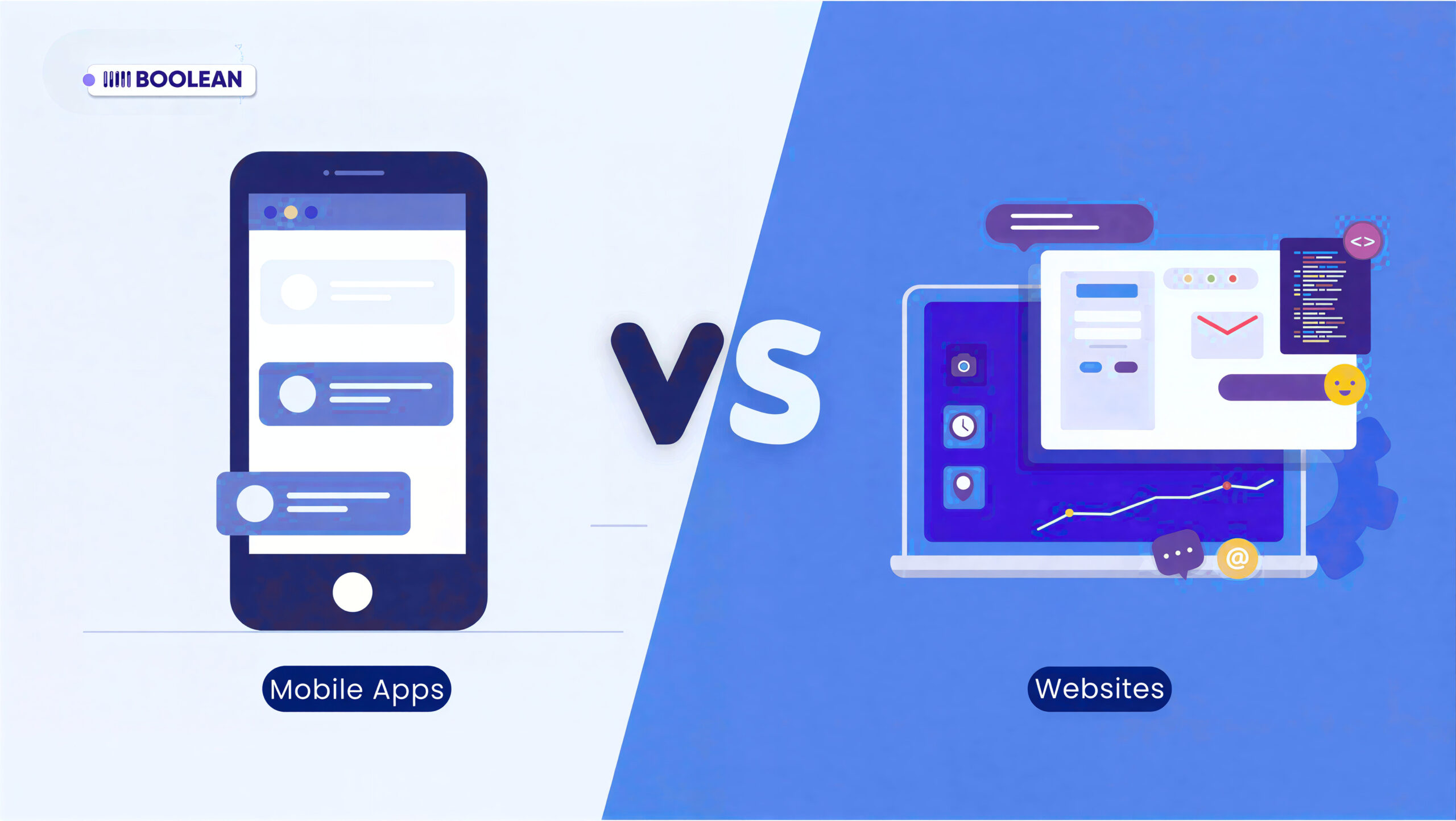
Many business owners compare mobile apps vs websites because the two may look similar yet they work in very different ways.
A website sits inside a browser and a mobile app lives on the user’s phone. This one difference shapes how people behave and how they feel when they use your brand.
A mobile app runs with fewer steps. It opens fast. It reacts fast. It supports smooth actions which is why mobile app vs website usability often leans toward apps.
A website still has value because it helps people find you through search yet an app creates a space that feels personal.
People enjoy this comfort because the mobile app user experience feels more direct, and as a result, businesses can transform operations with custom mobile apps.
Here is a simple comparison to make it clearer:
| Feature | Website | Mobile App |
|---|---|---|
| Access | Needs browser | One tap from home screen |
| Speed | Depends on internet | Often faster and smoother |
| Experience | Same for everyone | Offers app personalization features |
| Engagement | Limited | Strong through push notifications benefits |
| Loyalty | Harder to build | Higher mobile app retention rate |
| Commerce | Works well | Stronger with mobile commerce trends |
| Performance | Varies | Strong app vs website performance |
People also ask what’s the difference between an app and a website when thinking about growth.
A website shares information yet an app becomes part of the user’s daily routine.
That is why many brands focus on mobile-first strategy. They want to match modern mobile user behavior because users spend more time in apps.
If you wonder do customers prefer apps or websites the trend shows that many choose apps for comfort and speed.
They enjoy mobile app convenience for users which leads to better interactions. This is why owners study website vs app comparison before making a choice.
They want to know the best choice app or website for business based on goals, budget and future plans.
In simple terms websites help people discover you and mobile apps help people stay with you.
Why Business Owners Are Shifting Toward Mobile Apps
Many owners now pay closer attention to mobile app advantages for business because they want stronger results.
They want better customer connections. They want growth that lasts.
As more people rely on phones every day the value of apps rises fast. This is why we see clear mobile app growth trends across many industries.
A mobile app gives a deeper level of control over how customers move through your brand.
You can guide them you can support them and you can keep them close through tools that a website cannot match.
Direct updates reach users through push notifications benefits which helps with stronger customer engagement through apps. This level of contact feels simple yet it has real power.
Owners also shift toward apps because they want better returns.
Many notice stronger mobile app ROI since apps can drive repeat sales and ongoing visits. People stay longer inside an app and this leads to higher loyalty.
This happens because mobile apps fit naturally into the digital customer journey. They feel like part of the user’s daily routine.
There are also clear reasons to invest in a mobile app for business when you want long-term value.
An app supports brand strength as it lives on the customer’s home screen. This alone boosts visibility. The app store presence benefits also help new people discover your brand through search inside app stores.
Another major driver is comfort. People enjoy speed and smooth actions, so why businesses need mobile apps becomes easy to answer.
Apps remove extra steps. They load fast and they offer simple flows that match modern habits.
Owners who look at mobile user behavior often see the same pattern. Users spend more time in apps, so the chance to build loyalty grows.
With all these shifts many companies now ask why do companies build mobile apps and the answer is clear.
Apps help them serve customers better. Apps keep customers close. Apps support the move toward stronger business digital transformation which is essential for growth in the current market.
Key Benefits of Mobile Apps for Modern Businesses
Why do companies build mobile apps? Simple. Apps deliver results that websites struggle to match.
Let’s talk about the real mobile app advantages for business.
Direct Access to Your Customers
Your app sits on their phone. Right there on the home screen. Every time they unlock their device they see your brand. That kind of visibility is priceless.
Websites can’t do this. People forget web addresses. They lose bookmarks. But an app icon? It stays put.
Push Notifications Change the Game
This is where apps truly shine. Push notifications benefits are massive for any business. You can send updates directly to your customer’s screen.
A flash sale starting in an hour? Send a notification. New product just dropped? Let them know instantly.
No emails getting lost in spam folders. No hoping they visit your website at the right time. Just direct communication that actually reaches people.
Studies show push notifications marketing can boost engagement by up to 88%. That number alone tells you why businesses need mobile apps.
Personalization That Feels Special
People love feeling valued. App personalization features make this easy.
Your app can remember what customers like. It can suggest products based on past purchases. It can greet them by name.
This personal touch builds loyalty. And how mobile apps improve customer loyalty is no secret. When people feel understood they come back again and again.
Speed That Keeps Customers Happy
Nobody likes waiting. A slow website frustrates people and they leave. App vs website performance is not even close.
Apps load faster. They respond quicker. Everything feels smooth and effortless.
This matters more than you realize. A one-second delay can cost you customers. Mobile app user experience wins every time because speed is built into the design.
Works Even Without Internet
Here is something websites simply cannot offer.
Many apps work offline. Customers can browse products and check information even with no connection. Once they go online again everything syncs up.
This mobile app convenience for users keeps them engaged no matter where they are.
Better Customer Engagement
Are mobile apps better than websites for customer engagement? The numbers say yes.
Consider these mobile app user engagement statistics:
| Metric | Website | Mobile App |
|---|---|---|
| Average session time | 2-3 minutes | 5-7 minutes |
| Return visit rate | 30% | 50%+ |
| Conversion rate | 1-2% | 3-5% |
| Customer retention | Lower | Significantly higher |
Customer engagement through apps happens naturally. The experience feels personal and smooth. People stick around longer and take action more often.
Stronger Brand Presence
Having an app shows customers you are serious. It builds trust. It positions your business as modern and customer focused.
App store presence benefits go beyond downloads. Your brand gains credibility simply by being there.
When someone searches the app store and finds your business it sends a message. You are established. You care about your customers. You invest in their experience.
Access to Phone Features
Apps can use the camera. They can access GPS location. They can send reminders through the calendar. This opens up endless possibilities for how mobile apps improve customer experience.
A website in a browser has limits. An app breaks through those limits and creates richer interactions.
Higher Revenue Potential
Let’s talk money. Do apps help businesses make more money? Absolutely.
Mobile commerce trends show more people buying through apps every year. In 2025 mobile commerce is expected to make up over 70% of all online sales.
Why mobile apps convert better than websites comes down to convenience. Saved payment details. One-tap checkout. Personalized offers.
The mobile app ROI speaks for itself. Businesses see higher order values and more repeat purchases from app users compared to website visitors.
These benefits are not just nice to have. They directly impact your bottom line and your relationship with customers. The question is no longer whether apps matter. The question is how soon you can start building yours.
Mobile Apps for Small and Medium Businesses: Is It Worth It?
This is where many business owners pause. They think apps are only for big brands with deep pockets. They assume small businesses cannot afford to play in this space.
That thinking is outdated.
Mobile apps for small businesses make more sense today than ever before. The technology has become accessible. The costs have come down. And the benefits remain just as powerful.
The Old Myth That Needs to Die
Years ago building an app cost a fortune. Only large corporations could afford it. Small business owners watched from the sidelines. They stuck with websites because that was all they could manage.
But things have changed dramatically.
Today you can find a cost effective app development company for startups that delivers quality without breaking your budget.
Business app development packages exist for every size and budget. The playing field has leveled out.
Why Small Businesses Actually Benefit More
Here is something interesting. Are mobile apps good for small businesses? In many ways they benefit even more than large companies.
Big brands already have recognition. People know their names. Small businesses need to work harder to build that connection. An app helps you do exactly that.
Think about it. When a customer downloads your app they invite your business into their daily life. That is intimate. That is powerful.
That kind of access builds loyalty faster than any billboard or social media ad ever could.
Mobile app features and benefits for small and medium businesses include:
- Standing out from competitors who only have websites
- Building personal relationships with every customer
- Creating repeat buyers through personalized offers
- Reducing marketing costs with free push notifications
- Increasing word of mouth when customers share your app
Real Talk About Investment
Is a mobile app worth it for my business? Let’s be honest about what this requires.
Yes, you need to invest money. Yes, it takes time to plan and build. But consider what you get in return.
A website brings visitors. An app brings loyal customers.
A website hopes people come back. An app reminds them to come back.
A website competes with a million distractions. An app lives on their phone away from the noise.
The reasons to invest in a mobile app for business go beyond fancy features. This is about survival in a mobile-first world. Your customers already spend hours on their phones daily.
The question is whether your business will be part of that time or not.
Small Business Success Stories Are Everywhere
Local coffee shops now have apps for ordering ahead. Neighborhood salons let customers book appointments through apps. Small online stores see higher sales from app users than website visitors.
These are not tech companies. These are everyday small businesses that made a smart choice.
Mobile app benefits for small and medium businesses show up in real numbers:
| Business Type | Result After Launching App |
|---|---|
| Local restaurant | 40% increase in repeat orders |
| Boutique clothing store | 35% higher average order value |
| Fitness studio | 50% improvement in class bookings |
| Home services company | 60% faster customer response time |
These results come from real business mobile strategy decisions. Not luck. Not magic. Just smart investment in the right technology.
Do I Need an App for My Online Store?
If you sell products online, this question matters even more. Ecommerce website or app for ecommerce what is better?
Apps win for ecommerce. Here is why.
Shopping on an app feels smoother. Saved carts stay saved. Payment details auto-fill. Checkout takes seconds instead of minutes.
Mobile commerce trends confirm this. App shoppers spend more and buy more often than website shoppers.
The mobile app retention rate for ecommerce apps beats websites by a wide margin.
People who download your store app have already shown strong interest. They want to buy from you. Your job becomes keeping them happy rather than constantly chasing new traffic.
The Bottom Line for Small Business Owners
Can you survive with just a website? Maybe. For now.
But surviving and thriving are different things. Business digital transformation is happening everywhere.
Customers expect mobile experiences. They expect convenience. They expect you to meet them where they already spend their time.
Investing in an app is not about following trends. It is about building a direct line to your customers that no algorithm change can take away.
Social media platforms change their rules constantly. Search engines update and rankings shift. But your app? That connection belongs to you.
The reasons to invest in mobile apps for your business come down to one simple truth. Your customers have gone mobile. Your business should too.
Mobile Apps and Customer Engagement: Why It Matters
Getting customers is hard. Keeping them is even harder.
This is where mobile apps prove their true value. Customer engagement through apps happens naturally and consistently.
Unlike websites, where visitors come and go without a trace, apps create ongoing relationships that grow stronger over time.
What Customer Engagement Really Means
Let’s keep this simple. Customer engagement is how often people interact with your business. Do they visit once and disappear? Or do they keep coming back again and again?
High engagement means customers care. They pay attention. They respond to your messages. They buy more. They tell their friends about you.
Low engagement means you are forgotten. Your business becomes just another name in a crowded market.
Why mobile apps are better for customer engagement comes down to one thing. Apps stay present in your customer’s life. Websites wait to be visited. Apps actively bring customers back.
The Power of Being on Their Home Screen
Every time someone unlocks their phone they see your app icon. This sounds small but it matters enormously.
That icon is a constant reminder. Your business exists. Your products wait for them. Your services are one tap away.
No other marketing channel gives you this kind of visibility. Not email. Not social media. Not search engines. Just your app sitting right there between their favorite games and messaging apps.
This presence alone boosts engagement without you doing anything extra.
Push Notifications: Your Direct Line to Customers
We touched on this earlier, but it deserves more attention. Push notifications marketing changes how you communicate with customers completely.
Think about traditional marketing for a moment:
- Email: Gets buried in crowded inboxes or lands in spam
- Social media: Algorithm decides who sees your posts
- Ads: People scroll past without a second glance
- Website banners: Only work if they visit your site
Now think about push notifications:
- Delivered directly to their phone screen
- Seen immediately even if they are not using the app
- Opened at high rates compared to any other channel
- Personalized based on their preferences and behavior
Push notifications benefits include:
| Benefit | Impact on Business |
|---|---|
| Instant delivery | Time-sensitive offers reach customers immediately |
| High visibility | 90% of notifications are seen within 3 minutes |
| Better open rates | 5-10 times higher than email marketing |
| Personalization | Messages feel relevant not spammy |
| Cost effective | Free to send after app is built |
This direct communication builds relationships. Customers feel connected. They know you are thinking about them. That feeling creates loyalty money cannot buy.
Personalization Makes Customers Feel Special
Nobody wants to feel like just another number. App personalization features solve this problem beautifully.
Your app can remember everything important:
- What products they browsed last time
- What they bought before
- When they usually shop
- What categories interest them most
- Their preferred payment method
Using this information you create experiences that feel custom made. Product recommendations match their taste. Offers align with their needs. The whole experience says “we know you and we care.”
How mobile apps improve customer loyalty ties directly to this personalization. When customers feel understood they stick around. They trust you more. They forgive small mistakes because the relationship feels real.
The Numbers Tell the Story
Let’s look at some mobile app adoption statistics that show why engagement matters:
| Metric | Website Users | App Users |
|---|---|---|
| Sessions per month | 2-4 | 10-15 |
| Time spent per session | 2 minutes | 6 minutes |
| Pages or screens viewed | 3-4 | 8-10 |
| Likelihood to purchase | Low | 3x higher |
| Return within 30 days | 20% | 65% |
These app engagement metrics reveal something important. App users are not just visitors. They become active participants in your business.
Building Habits That Last
The best apps become part of daily routines. Morning coffee order. Lunchtime browsing. Evening shopping. These habits form naturally when your app delivers value consistently.
App retention strategies focus on creating these moments:
- Daily check-in rewards encourage regular visits
- Personalized content gives reasons to come back
- Easy reordering makes repeat purchases effortless
- Loyalty programs reward continued engagement
- Exclusive app deals create urgency and excitement
Mobile app retention rate improves dramatically when you focus on habit building.
A customer who uses your app daily becomes incredibly valuable. They spend more. They stay longer. They recommend you to others.
Engagement Drives Revenue
Here is the connection that matters most. Engaged customers spend more money.
Why mobile apps convert better than websites becomes clear when you understand this relationship.
Engagement leads to trust. Trust leads to purchases. Purchases lead to loyalty. Loyalty leads to more purchases.
It becomes a cycle that feeds itself.
Consider the digital customer journey through an app:
- Discovery: Customer downloads your app
- First experience: They browse and explore
- Engagement: Push notifications bring them back
- Personalization: They feel understood and valued
- Purchase: They buy with confidence
- Loyalty: They return again and again
- Advocacy: They recommend you to friends
This journey happens naturally when engagement stays high. Websites struggle to create this flow because the connection breaks every time someone closes the browser.
Looking to grow faster, explore our guide on How to Get Your First 1,000 App Users to boost engagement driven revenue.
The Emotional Connection
Business is not just about transactions. It is about relationships.
Apps create emotional connections that websites rarely achieve.
Your app becomes a trusted companion in their pocket. They rely on it. They appreciate its convenience. They miss it when they switch phones and forget to reinstall.
This emotional bond protects your business from competitors.
Someone might visit a competitor’s website out of curiosity. But switching to a competitor’s app? That requires effort. That means downloading something new and learning how it works.
Once you win a customer through your app you have a real advantage. That relationship has weight. It has history. It has value on both sides.
Engagement Is Not Optional Anymore
The days of simply having an online presence are over. Customers expect more. They want businesses that engage with them actively and personally.
Mobile app marketing advantages center on this engagement. Your app becomes your most powerful marketing tool.
Every interaction strengthens the relationship. Every notification reminds them you exist. Every personalized offer shows you care.
How mobile apps improve customer experience comes back to engagement every single time. Better engagement means happier customers. Happier customers mean a healthier business.
The Cost Factor: Building an App vs Building a Website
Money matters. Every business owner needs to know what they are getting into before making a decision.
So let’s talk numbers. How much does it cost to build a mobile app in 2025? And is it cheaper to build an app or website?
The honest answer is it depends. But don’t worry. We will break this down so you understand exactly what affects the price and what you can expect.
Website Costs: What You Already Know
Websites have been around for decades. The costs are familiar to most business owners.
A basic website might cost anywhere from $500 to $5,000. Something more advanced with ecommerce features could run between $5,000 and $25,000. Large custom websites with complex functionality can go much higher.
Then you have ongoing costs:
- Hosting fees every month
- Domain renewal every year
- Security updates and maintenance
- Content updates and changes
- Plugin subscriptions
These costs add up quietly over time. Many business owners forget about them until the bills arrive.
For a deeper look at building a site, check out The Complete Website Development Guide: From Start to Deployment for clear steps and smart cost insights.
Mobile App Costs: The Real Picture
Now for the big question. What is the cost of developing a mobile application?
Here is a general breakdown:
| App Complexity | Features Included | Estimated Cost Range |
|---|---|---|
| Simple app | Basic features and limited screens | $10,000 – $30,000 |
| Medium app | User accounts and payment integration | $30,000 – $80,000 |
| Complex app | Advanced features and custom functionality | $80,000 – $250,000+ |
These numbers might seem high at first glance. But context matters here.
A website needs constant traffic generation. You pay for ads. You invest in search optimization. You spend on content marketing. Those costs never stop.
An app sits on your customer’s phone working for you around the clock.
Push notifications cost nothing to send. Customer retention happens automatically. The mobile app ROI builds over time rather than draining your budget monthly.
Learn more about budgeting and planning your project in App Development Cost for Startups for clear steps and smart cost insights..
What Affects the Cost to Develop an App for Business
Several factors determine your final price:
- Platform Choice
Do you want an iPhone app only? Android only? Both?
Custom iPhone app development services create apps specifically for Apple users.
Android app development Austin or anywhere else focuses on the larger Android market. Building for both platforms separately costs more than building for one.
This is where cross-platform mobile development comes in. Technologies like React Native and Flutter let you build one app that works on both platforms.
A top React Native development agency can save you significant money while delivering quality results.
Similarly, a Flutter mobile application development company offers efficient solutions for businesses watching their budget.
- Features and Functionality
More features mean higher costs. Simple apps with basic mobile app functionality cost less.
Complex apps with advanced app engagement metrics tracking and sophisticated personalization cost more.
Start with essential features. Add more later as your app grows.
- Design Complexity
Custom UI designs take time and skill. Beautiful interfaces that match your brand require investment.
But this investment pays off through better mobile app user experience and higher engagement.
- Backend Requirements
Some apps need powerful servers behind them. Others work with simpler setups. Your specific needs determine this cost.
- Ongoing Maintenance
Apps need updates. Operating systems change. Security patches become necessary. Bug fixes happen. Budget for ongoing costs not just the initial build.
Comparing the True Investment
Is it cheaper to build an app or website? Let’s look at the complete picture.
| Cost Factor | Website | Mobile App |
|---|---|---|
| Initial build | Lower upfront cost | Higher upfront cost |
| Ongoing hosting | Monthly fees required | App store fees only |
| Marketing spend | Continuous investment needed | Lower long-term costs |
| Customer acquisition | Pay for each visitor | One download creates lasting connection |
| Updates and maintenance | Regular costs | Regular costs |
| Revenue potential | Limited by traffic | Higher conversion rates |
The website looks cheaper at first. But factor in years of marketing spend and the math shifts.
Apps require bigger initial investment but often cost less over time while generating more revenue.
Finding the Right Development Partner
Your choice of development partner affects both cost and quality.
A top mobile app development company USA brings expertise and reliability. They understand the market. They know what works. They build apps that actually perform.
Working with a leading mobile app development company means fewer mistakes and faster results. Cheap options often cost more in the long run through delays and fixes and rebuilds.
Look for custom mobile app development solutions tailored to your specific needs. Cookie-cutter apps rarely deliver the results your business deserves.
If your business uses Microsoft technologies a Xamarin mobile app development company might be the perfect fit. They can leverage your existing systems while building something new.
Different Approaches for Different Budgets
Not every business needs a $100,000 app. Here are options based on different budget levels:
- Tight Budget: $10,000 – $25,000
Focus on core features only. Use cross-platform development to save money. Launch a simple version first and improve over time. Mobile app development services for businesses at this level can still deliver real value.
- Medium Budget: $25,000 – $75,000
Include more features from the start. Invest in better design. Add personalization and push notifications. This range covers most small and medium business needs.
- Larger Budget: $75,000+
Build something comprehensive. Include advanced features. Create custom functionality specific to your industry. Integrate with existing business systems.
The ROI Perspective
Here is what matters most. Will you make this money back?
Mobile app growth trends suggest yes. Businesses with apps see higher customer lifetime value.
They spend less acquiring new customers because existing customers stay loyal. They convert browsers into buyers at higher rates.
Do apps help businesses make more money? The data says absolutely. Mobile commerce trends show app users spending 3-4 times more than website visitors. That difference adds up quickly.
Think of app development as investment not expense. You put money in now to build something that generates returns for years.
Making the Smart Choice
The cost of developing a mobile application should not scare you away. It should motivate careful planning.
Consider these questions:
- What features do you absolutely need at launch?
- Which platform do your customers use most?
- What is your timeline for seeing results?
- How much can you invest upfront versus over time?
- Who will maintain the app after launch?
Business app development packages exist for every situation. The right development partner will help you find the sweet spot between cost and capability.
Mobile Apps vs Websites: What Works Best for Your Business
Many owners struggle with the choice between mobile apps vs websites. Both offer value yet they serve different goals.
A website helps people discover your brand. It supports search. It works well for general information.
Yet an app creates deeper engagement because it lives inside the user’s phone. It feels personal. It feels fast.
If your goal is visibility then a website can be enough. People browse. People read. People compare. Yet if your goal is loyalty and repeat actions an app gives you stronger results.
The mobile app user experience often feels smoother which leads to more time spent inside your brand.
Here is a clear comparison to help you decide:
| Business Goal | Website | Mobile App |
|---|---|---|
| Online visibility | Strong | Good |
| Engagement | Moderate | High |
| Loyalty | Harder | Strong with app retention strategies |
| Personal experience | Limited | Strong with personalization |
| Performance | Varies | Strong app vs website performance |
| Sales | Good | Often higher |
| Long-term value | Good | Strong for growth |
Many owners also ask best choice app or website for business. The answer depends on your needs. If you want a basic presence then a website works well.
If you want stronger contact or deeper trust then an app is the better fit. Some ask do customers prefer apps or websites and the trend shows that people lean toward apps when they expect comfort and fast actions.
Apps also support stronger brand presence through app store presence benefits which give you an extra discovery channel.
They also help with mobile app marketing advantages like loyalty programs direct reminders and personal flows.
If you run an online store you may ask do I need an app for my online store. If you want higher conversions and smoother experiences the answer often leans toward yes.
Many brands confirm this through mobile app user engagement statistics which show stronger results inside apps.
In short, websites help people find you and apps help people stay with you. The right choice depends on your goals your budget and your long-term vision for growth.
How to Get Started with Your Business App
You have seen the benefits. You understand the costs. Now comes the practical part.
How do you actually go from idea to app in your customer’s hands?
This journey might seem overwhelming at first. But breaking it down into clear steps makes everything manageable. Let’s walk through exactly what you need to do.
Step 1: Define Your Goals Clearly
Before anything else ask yourself one question. What do you want this app to accomplish?
Vague goals lead to vague results. Get specific.
Maybe you want to increase repeat purchases by 30%. Maybe you want to reduce customer service calls by half. Maybe you want to build a loyalty program that actually works.
Write these goals down. They will guide every decision that follows.
Your business mobile strategy starts here. Without clear goals you will waste money on features you don’t need while missing ones that matter.
Step 2: Know Your Audience
Who will use your app? What do they need? What frustrates them about your current website or service?
Understanding mobile user behavior helps you build something people actually want. Talk to your customers. Send surveys. Read reviews. Pay attention to complaints.
The best apps solve real problems. They make life easier. They save time. They remove friction.
Your app should feel like a gift to your customers not just a tool for your business.
Step 3: Decide on Essential Features
Here is where many businesses go wrong. They want everything at once.
Start simple. Focus on core mobile app functionality that delivers immediate value.
Essential features for most business apps include:
| Feature | Why It Matters |
|---|---|
| User accounts | Personalized experience for each customer |
| Push notifications | Direct communication channel |
| Easy checkout | Removes barriers to purchase |
| Search function | Helps customers find what they need |
| Contact options | Quick access to support |
| Order history | Convenience for repeat purchases |
You can always add more features later. Launching with too much complexity delays your app and confuses users. A mobile-first strategy means starting lean and improving based on real feedback.
Step 4: Choose Your Platform
This decision affects cost and reach significantly.
iOS Only
Apple users tend to spend more money through apps. If your target audience uses iPhones primarily this might make sense. Custom iPhone app development services focus specifically on this market.
Android Only
Android holds larger global market share. If budget is tight and your audience leans Android this could be your starting point.
Both Platforms
Most businesses eventually want both. The question is how to get there efficiently.
Cross-platform app development offers smart solutions. Technologies like React Native and Flutter let you build once and deploy everywhere.
Working with a top React Native development agency saves money while reaching both audiences.
A Flutter mobile application development company delivers similar benefits with slightly different technical advantages.
For businesses with existing Microsoft systems a Xamarin mobile app development company can integrate your app with tools you already use.
Step 5: Find the Right Development Partner
This step can make or break your project.
Hiring the wrong team leads to delays and frustration and wasted money. Hiring the right team makes everything smoother.
What should you look for?
Experience That Matches Your Needs
A top mobile app development company USA should show you apps similar to what you want. Ask for examples. Download their previous work. Test it yourself.
Clear Communication
You need a team that explains things without confusing jargon. They should listen to your ideas and offer honest feedback. If they promise everything without asking questions that is a warning sign.
Transparent Pricing
Reputable mobile app development services for businesses provide detailed quotes. They explain what each cost covers. No hidden surprises later.
Ongoing Support
Building the app is just the beginning. You need a partner who sticks around for updates and fixes and improvements. Ask about their maintenance packages.
A leading mobile app development company treats your success as their success. They care about results not just collecting payment.
When you hire mobile app developers for business choose people who understand your goals. Technical skills matter. But understanding business needs matters more.
Step 6: Plan Your App Store Strategy
Your app needs to be found. App store presence benefits only happen when people can actually discover your app.
Think about app store optimization for business apps before launch:
- App name: Clear and searchable
- Description: Explains benefits not just features
- Screenshots: Shows the best parts of your experience
- Keywords: Matches what your customers search for
- Reviews: Plan how you will encourage happy customers to leave ratings
The app stores are competitive. Millions of apps exist. Standing out requires intentional effort from day one.
Step 7: Create a Launch Plan
Don’t just release your app and hope people notice. Plan your launch carefully.
Best mobile app strategies for business growth include:
Pre-Launch Buzz
Tell existing customers something exciting is coming. Build anticipation. Offer early access to loyal customers.
Launch Day Push
Send emails. Post on social media. Add banners to your website. Make sure everyone knows your app exists.
Incentives for Downloads
Offer something special for people who download in the first week. Discounts work. Exclusive content works. Loyalty points work. Give people a reason to act now.
Easy Onboarding
First impressions matter. New users should understand your app within seconds. Don’t overwhelm them with tutorials. Let them explore naturally while highlighting key features.
Step 8: Measure Everything
Once your app launches the real work begins.
Track these app engagement metrics closely:
| Metric | What It Tells You |
|---|---|
| Downloads | How many people found and wanted your app |
| Active users | How many actually use it regularly |
| Session length | How long they spend each visit |
| Retention rate | How many come back after first use |
| Conversion rate | How many take desired actions |
| Uninstall rate | How many leave and possibly why |
These numbers guide your next steps. Double down on what works. Fix what doesn’t.
Mobile app marketing trends 2025 show that data-driven decisions win. Guessing leads to wasted money. Measuring leads to smart improvements.
Step 9: Keep Improving
Your app is never truly finished.
Customer needs change. Technology evolves. Competitors improve. You must keep up.
App retention strategies depend on continuous improvement:
- Add features customers request
- Fix bugs quickly
- Update designs to stay modern
- Respond to reviews professionally
- Test new ideas regularly
The best apps grow with their users. They get better over time. They listen and adapt.
Step 10: Think Long Term
Building an app is not a quick fix. It is a long-term commitment to your customers.
Business digital transformation happens gradually. Your app becomes part of your identity. It shapes how customers experience your brand.
The reasons to invest in a mobile app for business extend far beyond immediate sales. You build an asset. You create a direct relationship with customers that belongs to you. No algorithm changes can take it away. No platform policy updates can cut off your access.
This asset grows more valuable every year.
A Simple Checklist to Get Started
Here is everything summarized for easy reference:
- Define clear business goals for your app
- Research your target audience thoroughly
- List essential features for launch
- Decide on iOS or Android or both
- Research development partners carefully
- Review portfolios and ask for references
- Get detailed quotes from multiple companies
- Plan your app store optimization strategy
- Create a marketing plan for launch
- Set up tracking for key metrics
- Budget for ongoing maintenance and updates
- Commit to continuous improvement
Following these steps transforms a vague idea into a real app that serves your business and delights your customers.
Mobile App Trends Shaping Business Success in 2026
The mobile world moves fast. Each year brings new shifts. In 2026, the changes feel especially powerful.
People expect apps to do more than look good. They want apps that feel alive. They want tools that respond quickly and offer personal value.
If your business catches the right wave you may ride high. Here are the major trends shaping success.
- Personalization That Feels Human
Apps now aim to know their users. Not in a creepy way. Rather in a helpful way. Based on past actions or preferences an app can show relevant content or offers.
It might suggest products the user actually cares about. It might highlight services based on behavior.
That kind of personalization builds a sense of trust. It makes users feel seen. That trust turns into repeat visits. Return visits become loyalty.
- Custom product suggestions
- Personalized home screens or menus
- Offers and reminders tailored to behavior
- Speed and Instant Actions
Slow apps frustrate people. A delay of even a few seconds can push a user away. That’s why modern apps focus on speed.
Loading pages quickly is essential. Actions must feel immediate. Checkout flows must stay smooth. Navigation should feel simple.
When apps act fast users stick around. When apps lag users leave.
- Instant screen loads
- Minimal taps to complete actions
- Clean layout and fast responses
- Smarter User Experience via AI
AI is quietly changing what apps can do. Instead of forcing users to search or guess, apps now anticipate needs.
AI can recommend relevant items. It can predict what a user might do next. It might even offer voice commands or quick shortcuts.
That layer of intelligence makes apps feel intuitive and helpful. It reduces effort for the user. It boosts satisfaction.
- Smart recommendations based on behavior
- Predictive shortcuts or suggestions
- Voice or chat interaction inside the app
Discover how smart features can enhance your app by reading our guide on Integrating AI in Mobile Apps.
- Mobile Shopping Becomes the Norm
Mobile commerce is no longer optional. It’s a baseline expectation. When people shop through apps they want checkout to be fast and secure.
They want payment and delivery details saved. They want browsing, selection, and payment, everything in a few taps.
Apps that offer smooth shopping experiences see higher conversion rates. Businesses win with simpler purchases and happier customers.
- Easy browsing and search
- One-tap or saved payment options
- Quick checkout and confirmation
- Loyalty Through In‑App Rewards and Perks
Customers love to feel appreciated. Apps build loyalty by offering rewards. Loyalty points, in‑app perks, and special discounts hold power.
When users see value they return often. This strengthens their relationship with the brand over time. Small rewards can lead to big loyalty.
- Points systems or digital wallets
- Exclusive offers for app users
- Special perks or bonuses for repeated use
- Lightweight Apps for Wider Reach
Not everyone uses the latest high‑end phone. Many rely on budget devices or slower networks. For businesses targeting broad audiences that matters a lot.
Lightweight apps are smaller in size and designed to run smoothly on older hardware or slower connections. They load fast and stay functional. This expands reach.
It improves retention. It helps tap into growing markets where heavy apps fail.
- Reduced app size
- Optimized for slow internet
- Compatible with older devices
- Gentle In‑App Communication
Bombarding users with messages feels pushy. Most people dislike that.
Smart apps now use soft messaging. They send helpful nudges. They offer reminders without pressure. They help guide users gently through tasks they might forget.
This keeps engagement high without driving users away.
- Friendly reminders for offers or updates
- Subtle messages to guide actions
- Non-intrusive notifications at right times
- Strong Security and Privacy First
Trust is fragile online.
Users expect their data to be safe. They expect payments to be secure. Apps in 2026 focus on strong authentication methods. They encrypt sensitive information. They build trust by showing transparency.
A secure app feels safe. A safe app keeps users.
- Secure login and user authentication
- Encrypted payment and data handling
- Transparent privacy practices and clear user consent
In 2026 success doesn’t come from just launching an app. It comes from launching the right app, one that feels fast, smart, safe and personal.
The businesses that tune into these trends deliver value. They build trust. They earn loyalty. They grow steadily.
Conclusion
Mobile apps are not just an additional channel. They’re a powerful device for engagement, loyalty, and increase.
While websites assist humans in finding your business, apps assist them stay connected and take action quick.
Investing in an app can boost income, fortify client relationships, and future-proof your logo.
Even a small commercial enterprise can gain from a well-constructed app.
Easy capabilities like customized content, rapid navigation, and gentle reminders make users experience valued and keep them coming returned.
The right app can turn casual site visitors into unswerving clients and assist your commercial enterprise develop progressively over time.
FAQs
- Do customers prefer apps over websites?
Most users spend more time in mobile apps because they feel faster and more personal. Apps offer smoother actions and better engagement than mobile sites.
- Is a mobile-friendly website enough for my business?
A responsive website helps people find you, yet an app helps people stay with you. If you want higher engagement and repeat customers, an app works better.
- Do mobile apps boost sales more than websites?
Yes, because apps offer faster checkout and saved user details which increase conversions. People buy more often when the journey feels easy.
- Are apps more expensive than websites?
Usually yes, yet they can deliver higher long-term value. The improved loyalty and engagement often justify the initial cost.
- Can a website match an app’s performance?
A well-optimized site can be fast, yet apps still offer quicker actions and offline comfort. Apps also support deeper personalization and stronger retention.