Introduction
Think about your last purchase.
Maybe you spotted something on Instagram. Then you checked the brand’s website. You messaged them on WhatsApp asking about delivery. Finally, you visited their shop and bought it.
This is normal now. People don’t stay in one place. They move around constantly.
Your customers behave the same way.
Here’s a simple situation. A neighborhood bakery posts fresh bread photos on Facebook each morning. People read their Google reviews before stopping by. Some call ahead to order. Others just walk in. A few send Instagram messages about birthday cakes.
That bakery runs an omnichannel business already. They probably don’t even realize it.
But here’s the challenge.
Handling all these different channels becomes messy quickly. Messages disappear. Orders get mixed up. Customers explain the same thing again and again. Nobody likes that.
This is where mobile apps step in.
A solid app pulls everything into one spot. It links your social media work with actual sales. It keeps track of what customers prefer. It makes the whole buying journey feel easy and natural.
Still, many business owners ask themselves if an app is necessary. Why not just stick with a website? Can’t WhatsApp manage customer chats?
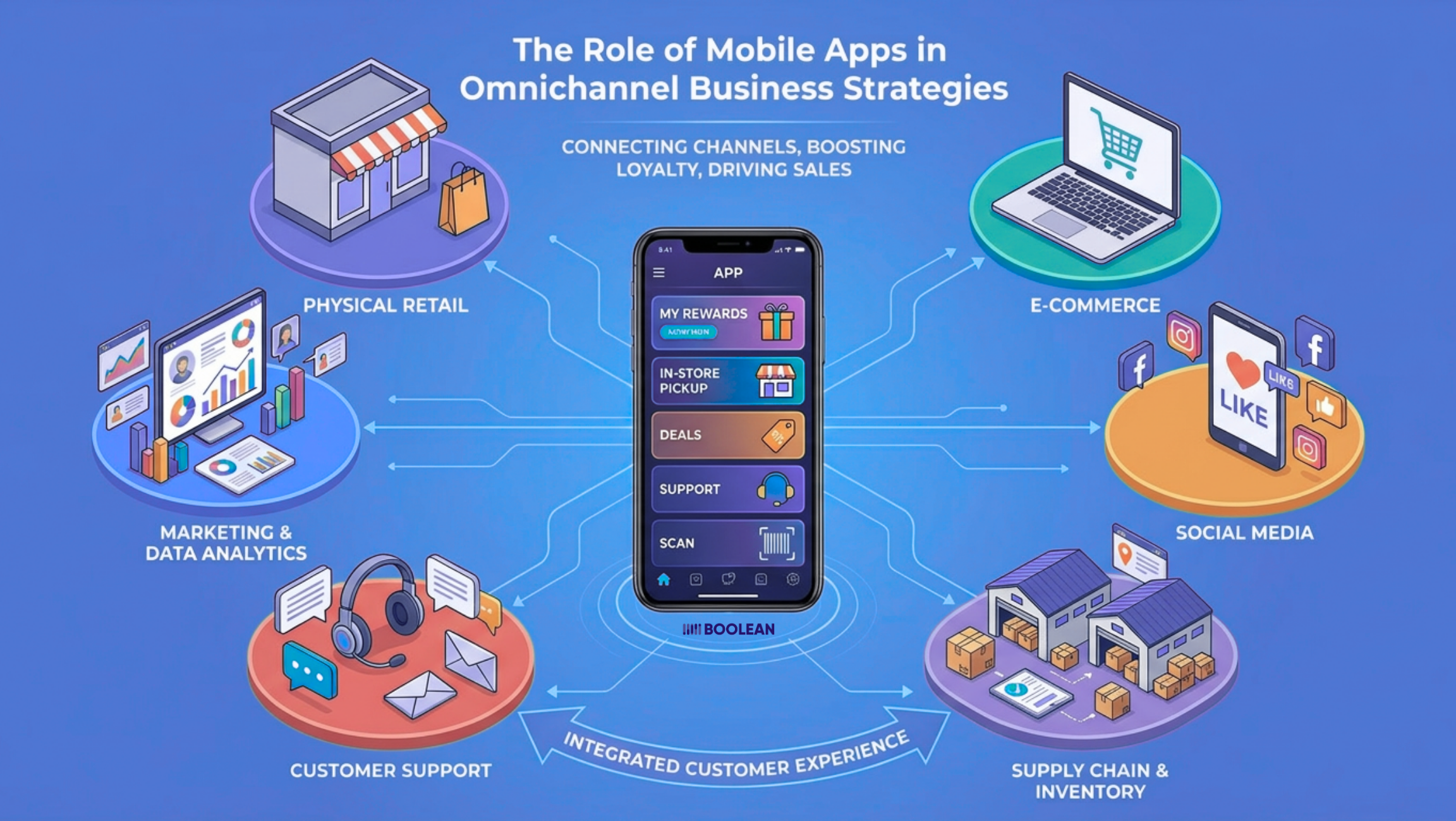
We will tackle all these questions here. You will learn what omnichannel strategy really means. You will see where mobile apps fit into your bigger plan. And you will pick up practical ways to tie every part of your business together.
Let’s begin.
What Is Omnichannel Strategy and Why Mobile Apps Matter
Let’s break this down simply.
Omnichannel means giving your customers one smooth experience across every platform.
Whether they contact you on Instagram, visit your store or use your app. Everything feels connected. Nothing feels broken or separate.
This is different from multichannel. Many businesses confuse the two.
Here’s the difference:
| Multichannel | Omnichannel |
| You are present on many platforms | All platforms talk to each other |
| Each channel works alone | Channels share customer information |
| Customer starts fresh on every platform | Customer continues where they left off |
| Feels scattered | Feels unified |
A quick example will make this clearer.
Say a clothing store has a website, an Instagram page and a physical shop. A customer adds a shirt to their online cart but doesn’t buy it.
The next day, they visit the store. The salesperson has no idea about that cart. The customer must explain everything again.
That is multichannel. Present everywhere but connected nowhere.
Think about that store with an omnichannel structure now. The mobile app of the business lets the shopper add the shirt to their cart.
As soon as the sales agent enters the store, they know. The app may have even alerted me, Your shirt is waiting at our downtown location.
Do you notice the difference?
Mobile applications open up this type of contact. They serve as the hub for consumer engagement. They combine purchase history, communication and tastes under one roof.
The Problem with Relying Only on Third-Party Platforms
Most small businesses start with free tools. Facebook pages. Instagram shops. WhatsApp Business. Google listings. These platforms cost nothing and they work fine in the beginning.
But they come with hidden costs.
First, you don’t control the rules. Instagram can change its algorithm tomorrow. Suddenly your posts reach fewer people. Your sales drop and you have no say in the matter.
Second, you don’t own the relationship. When a customer messages you on WhatsApp, that conversation lives on WhatsApp’s servers. If you switch platforms, you lose everything. Years of customer conversations gone just like that.
Third, these platforms limit what you can do. You cannot customize the experience. You cannot add special features that your customers might love. You play by someone else’s rules always.
This is exactly why businesses are moving away from WhatsApp and email toward dedicated mobile apps. They want control. They want ownership. They want freedom to build something truly theirs.
Why Mobile Apps Sit at the Center of Omnichannel
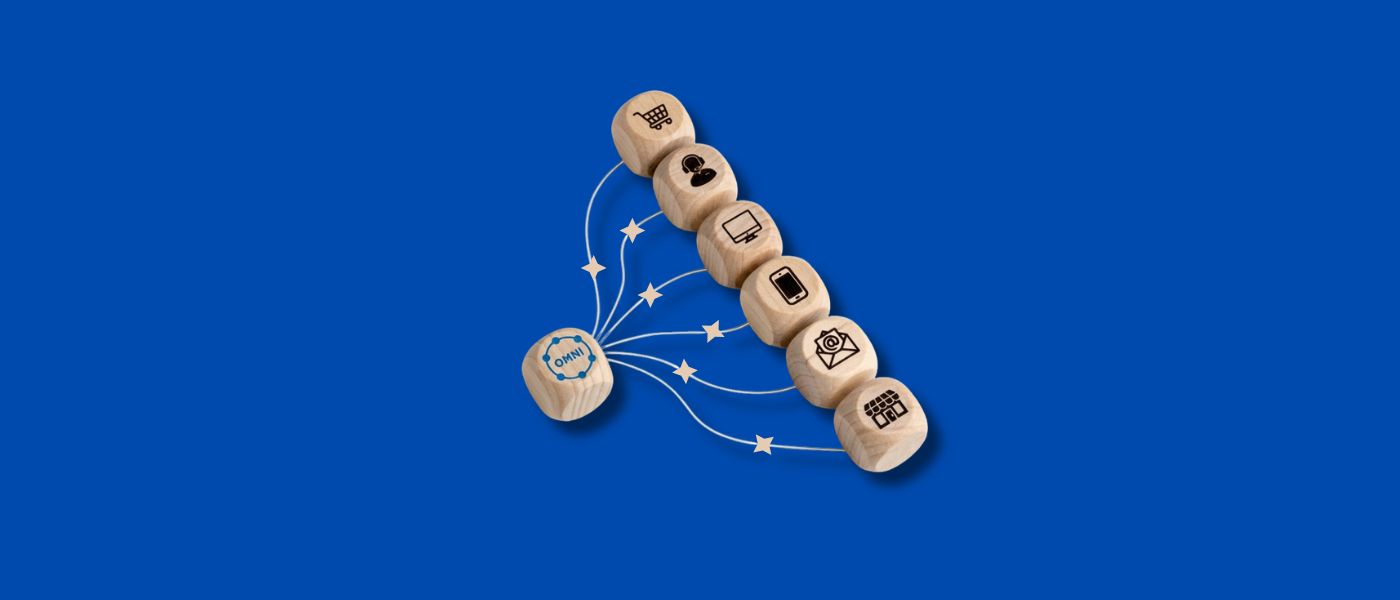
Think of your business channels like spokes on a wheel. Social media is one spoke. Your website is another. Email marketing is one more. Physical stores add another spoke. Customer service adds yet another.
What holds all these spokes together?
The hub in the middle. That hub is your mobile app.
Here’s why apps work so well as this central hub:
- Always in the customer’s pocket. People carry phones everywhere. Your app travels with them. Your website doesn’t.
- Push notifications beat emails. Most promotional emails never get opened. Push notifications get seen within minutes. Sometimes seconds.
- Personalization happens naturally. Apps learn what customers like. They show relevant products. They remember past orders. Everything feels tailored.
- Offline access is possible. Customers can browse your catalog without internet. They can check their order history anytime. Websites need constant connection.
- Loyalty programs live perfectly in apps. Points. Rewards. Special offers. All tracked automatically. No paper cards to lose.
A furniture store in Dubai tried this approach last year. They had a website and social media presence, but sales stayed flat. Customers would browse online then forget about them.
Then they launched a simple mobile app.
The app sent reminders when items went on sale. It showed customers products similar to those they viewed before. It lets people book in-store appointments directly. Within six months, their repeat customer rate jumped by forty percent.
No magic involved. Just a connection.
What Happens When Channels Don’t Connect
Picture this frustrating scenario.
A customer orders a product through your website. They have a question, so they call your support line. The support person has no record of the order. The customer must dig through email to find order numbers. They repeat their address and payment details. Ten minutes pass. Frustration builds.
Now they receive an email survey asking about their experience.
What do you think they will say?
Disconnected channels create friction. Friction kills loyalty.
Here’s what typically goes wrong:
- Support teams cannot see purchase history
- Marketing sends irrelevant promotions
- Sales staff know nothing about online interactions
- Inventory shows different availability across platforms
- Customers repeat information multiple times
Every gap like this pushes customers toward competitors. And competitors with proper omnichannel strategies welcome them happily.
When you own your customer data through a custom mobile app, these gaps disappear. Everything lives in one system. Everyone on your team sees the same information. Customers feel understood instead of ignored.
Real Expectations vs Reality
Some business owners expect miracles overnight. They launch an app and wait for sales to explode. That rarely happens.
Building an omnichannel strategy takes time.
First, you connect your existing systems. Then you train your team. Then you educate customers about the new app. Then you gather feedback and improve. Then you see results.
This process takes months not days.
But the businesses that commit to it see real changes:
- Higher customer lifetime value
- Lower support costs
- Better marketing results
- Stronger brand loyalty
- Cleaner data for decision making
The question is not whether omnichannel works. It clearly does. The question is whether you will build it before your competitors do.
How Mobile Apps Connect All Your Customer Touchpoints
Every business has touchpoints. These are moments when customers interact with your brand. Some touchpoints are obvious. Others happen quietly in the background.
Let’s list common ones:
- Social media posts and ads
- Website visits
- Email newsletters
- Phone calls
- In-store visits
- Customer support chats
- Online reviews
- Word of mouth referrals
The problem? These touchpoints usually live in separate worlds.
Your social media manager sees Instagram comments. Your sales team sees store visitors. Your support team handles complaints. Nobody sees the full picture.
Mobile apps change this completely.
One App Bringing Everything Together
When a customer downloads your app, something powerful happens. You finally have a single place to track their entire journey.
They browse products at midnight. Noted.
They add something to wishlist. Saved.
They will visit your store next weekend. Connected.
They ask a question through in-app chat. Recorded.
They make a purchase. Tracked.
They leave a review. Linked.
Every action tells part of their story. Together, these actions reveal exactly what each customer wants.
Practical Example
Imagine a small electronics shop.
A customer searches for headphones on their app. She doesn’t buy immediately. Two days later, she walks into the physical store. The store manager’s tablet shows her recent app activity. He knows exactly which headphones she viewed. He walks her straight to that section.
No awkward questions. No wasted time. She feels understood.
That same evening, the app sends a thank you message. A week later, it asks for a review. A month later, it notifies her about accessories that match her headphones.
This is how smart mobile apps are transforming customer support and the overall experience. Every touchpoint flows into the next. Nothing feels random or pushy.
What You Gain from Connected Touchpoints
Here’s a simple breakdown:
| Disconnected Touchpoints | Connected Through App |
| Customers feel like strangers | Customers feel recognized |
| Marketing guesses what works | Marketing knows what works |
| Support asks repeated questions | Support already has context |
| Sales team flies blind | Sales team sees full history |
| Loyalty feels transactional | Loyalty feels personal |
Connection builds trust. Trust builds loyalty. Loyalty builds profit.
It really is that straightforward.
Taking Control: Why Smart Businesses Build Their Own Apps
Here is a hard truth.
When you depend on other platforms, you play by their rules. Facebook decides who sees your posts. WhatsApp limits how you can message customers. Google changes search rankings whenever it wants.
You have zero control.
This keeps many business owners awake at night. They built their customer base on rented land. Any day, the landlord can change the terms.
The Shift Toward Ownership
Smart businesses are making a different choice now. They build their own mobile apps.
Why? Because ownership changes everything.
When you have your own app:
- Customer data belongs to you
- Communication happens on your terms
- Nobody can limit your reach
- You design the experience you want
- Your brand stays front and center
A restaurant owner shared her story recently. She relied completely on food delivery apps for three years. They took thirty percent commission on every order. Then they raised fees again. Her profits kept shrinking.
She launched her own ordering app last year. Now customers order directly. No middleman. No commission. Higher profits. Happier customers who get better prices.
That is the power of ownership.
It’s Not Just About Sales
Owning your app helps beyond selling products.
You can automate daily operations through the same app. Inventory updates. Staff scheduling. Customer notifications. Order tracking. All handled automatically.
Less manual work means fewer mistakes. Fewer mistakes mean smoother operations. Smoother operations mean growth without chaos.
But Is It Worth the Investment?
Many business owners hesitate. Apps cost money to build. Websites seem cheaper.
Here’s the thing, though.
A website brings visitors. An app builds relationships.
Visitors come and go. Relationships generate repeat business year after year.
When you think long term, the math makes sense. Customer lifetime value matters more than one-time purchases. Apps increase that lifetime value dramatically.
The businesses growing fastest right now understand this already.
From Chaos to Calm: Automating Your Business Through Mobile
Running a business means juggling dozens of tasks daily. Orders come in. Inventory needs tracking. Customers ask questions. Staff needs coordination. Invoices pile up.
Most business owners feel overwhelmed. There are simply not enough hours.
This is where mobile apps quietly solve problems.
What Automation Actually Looks Like
Automation sounds complicated. It really isn’t.
Think of it as setting things to run without your constant attention.
Here are simple tasks apps can handle automatically:
- Sending order confirmations instantly
- Updating inventory when sales happen
- Reminding customers about abandoned carts
- Scheduling appointments without back-and-forth calls
- Generating daily sales reports
- Notifying staff about new orders
- Collecting customer feedback after purchases
You set it up once. The app handles it forever.
Less Manual Work Means Fewer Errors
When humans do repetitive tasks, mistakes happen. Someone forgot to update the stock. Someone sent the wrong confirmation. Someone misses an appointment request.
These small errors add up. Customers notice. Trust breaks.
Apps don’t forget. They don’t get tired. They don’t skip steps.
This consistency builds reliability. Customers know what to expect every single time.
Your Team Focuses on What Matters
When apps handle routine tasks, your team gets freedom.
Instead of answering the same questions repeatedly, they solve real problems. Instead of manually tracking orders, they build customer relationships. Instead of chasing paperwork, they focus on growth.
Businesses using AI-powered mobile apps for sales automation see this shift clearly. Their teams become more productive without working longer hours.
That is working smarter, not harder.
Small Businesses Benefit Most
Big companies have large teams to handle operations. Small businesses don’t have that luxury.
Automation levels the playing field. A five-person team can operate like a twenty-person team. Efficiency jumps. Costs stay controlled. Growth becomes possible.
Conclusion
You made it to the end. That means you are serious about growing your business the right way.
Let’s give a brief overview of what we discussed.
Meeting clients where they are is what an omnichannel plan entails. This implies integrating each platform and touchpoint into a seamless experience. It means making others feel acknowledged rather than ignored.
At the center of this plan are mobile applications. They put everything in its place. They keep all client data in one location. They automate activities that take up your time. They foster lasting allegiance.
Your firm is in jeopardy if you depend solely on third-party marketplaces. Those relationships are not yours. You don’t control those rules. One algorithm change can hurt you overnight.
Building your own app changes that equation completely. You own the data. You control the experience. You decide how to grow.
Now here is the important question. Where does your business stand today?
Maybe you already have a website and social media presence. Maybe customers contact you through multiple channels that don’t connect. Maybe your team wastes hours on tasks that should happen automatically.
These are signs you need a better system.
The good news is you don’t need to figure this out alone. Businesses of all sizes are building scalable mobile apps that grow alongside them. Starting small works perfectly fine. You add features as your needs expand.
The businesses winning right now started this journey months or years ago. They built their systems step by step. They connected their channels one by one. They automated their operations piece by piece.
You can do the same.
Start with one question. What frustrates your customers most today? Fix that first. Then move to the next problem. Then the next.
Progress beats perfection every single time.
Your customers are already jumping between platforms daily. They expect seamless experiences everywhere they go. The only question is whether your business will deliver that experience or whether your competitors will.
The choice is yours.
Ready to build your omnichannel strategy? Boolean Inc. helps businesses create custom mobile apps that connect every customer touchpoint seamlessly.
FAQs
- How much does it cost to build a custom mobile app for my business?
Costs vary based on features and complexity, but small businesses can start with basic apps at affordable rates and scale up gradually.
- Can a mobile app really replace WhatsApp and email for customer communication?
Yes, many businesses now use dedicated apps for direct messaging and notifications, which gives them full control over customer conversations.
- How long does it take to launch a basic omnichannel mobile app?
A simple app with essential features typically takes eight to twelve weeks from planning to launch, depending on your requirements.
- Do I need a large customer base before investing in my own app?
Not at all because even small businesses benefit from apps that build loyalty and grow alongside their customer base over time.
- What features should a small business include in its first mobile app?
Start with product catalog, push notifications and simple ordering and loyalty rewards, then add more features as you grow.