
Introduction
The way people buy homes has changed. It happened fast. And if you are still relying only on old methods to sell properties, then you are already falling behind.
Your clients are checking out homes on their phones all the time, on the couch, on the train, waiting for their coffee.
If your business isn’t popping up on their screen, you might as well not exist when they’re ready to buy.
This shift is not a small trend.
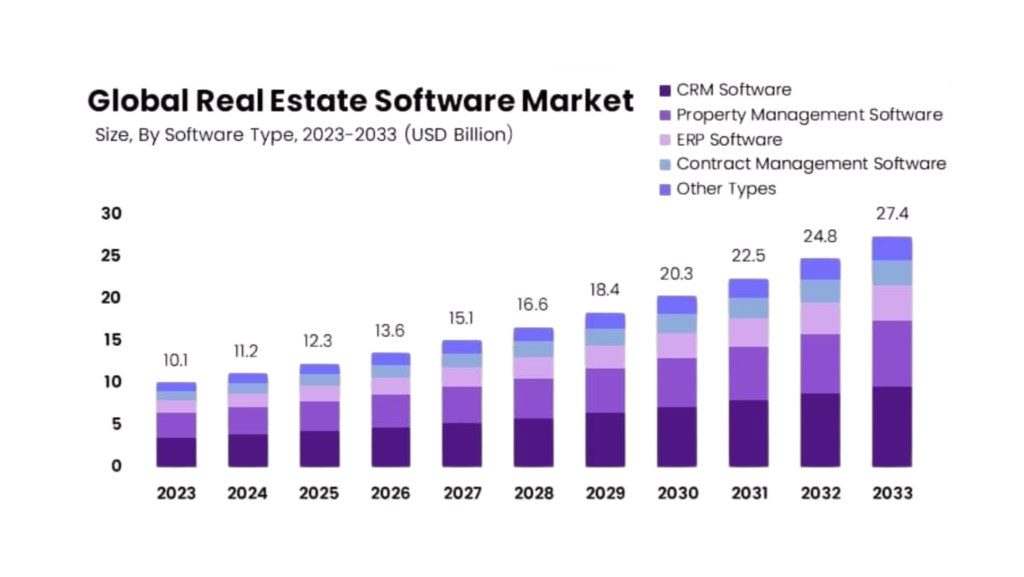
The real estate software biz is booming! Last year, it was worth around $10.1 billion, and they are saying it will hit $27.4 billion by 2033.
That is like a 10.5% jump each year from now until then. Basically, more money and tools are going into online real estate stuff all the time.
So, how does a phone app fit in? Easy, a solid app puts your properties, people, and customers all in one easy spot.
It lets buyers explore homes in minutes not days. It keeps sellers informed. It cuts down on long phone calls and messy email threads.
When done well, real estate app development services can turn your phone into a powerful sales assistant that never sleeps.
This guide will walk you through how a mobile app can help you sell faster.
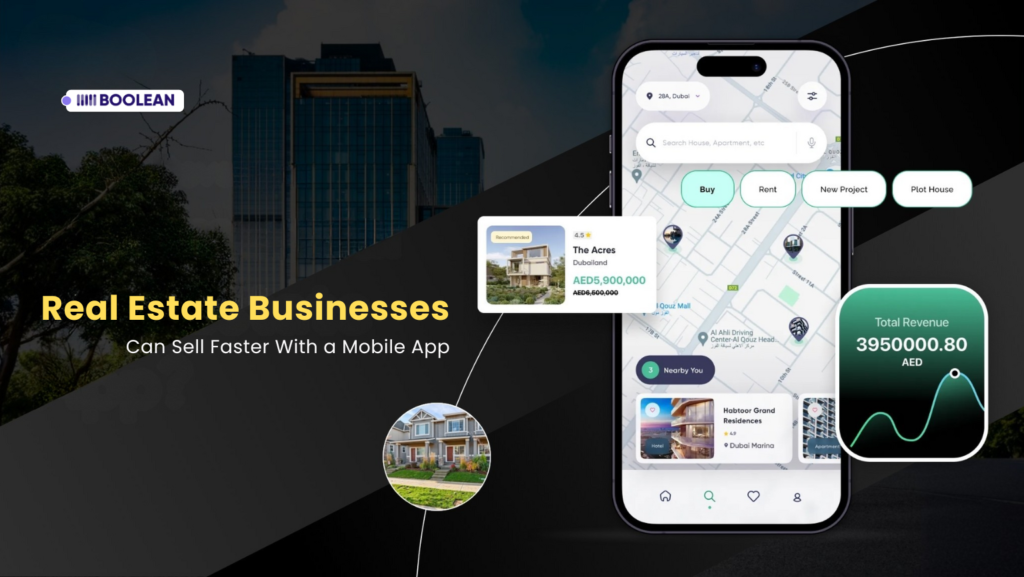
You will see what modern buyers expect on their phones, which features actually move deals forward, and how to get started without feeling lost in tech jargon.
The Problem With Traditional Property Selling Methods
Let us be honest here. The old ways of selling property are not completely broken. But they are slow. Really slow.
And in real estate, speed matters more than almost anything else.
Think about how traditional selling works. A buyer calls your office. Maybe they leave a voicemail. You call them back hours later. Sometimes the next day. By then, they have already contacted three other agents. They have moved on.
This is not a small problem. It is costing you money every single day.
Where Traditional Methods Fall Short
| Old Method | The Problem It Creates |
| Phone calls only | Buyers hate waiting for callbacks |
| Paper brochures | Outdated the moment you print them |
| In-person visits only | Wastes time for both parties |
| Email listings | Gets buried in crowded inboxes |
| Office-hour availability | Buyers browse properties at night and on weekends |
See the pattern here? Every traditional method has one thing in common. It forces buyers to wait.
And modern buyers do not wait. They disappear.
The Hidden Costs You Might Not See
There is another issue that many real estate businesses overlook. It is the cost of missed opportunities.
Picture this scenario. A motivated buyer finds your listing online at 9 PM. They are excited. They want more photos. They have questions about the neighborhood. But your office is closed.
What happens next? They find another agent with an app. That agent responds instantly through automated features. The buyer books a viewing. The sale happens.
You lost that deal without even knowing it existed.
This happens more often than you think. Studies show that responding to leads within five minutes makes you nine times more likely to close the deal. Nine times! But most traditional methods cannot deliver that kind of speed.
Buyers Have Changed, But Many Agents Have Not
Here is the uncomfortable truth. Today’s property buyers are impatient. But it is not their fault.
Technology has trained them to expect instant results. They order food and track it in real time. They book flights in seconds. They stream movies the moment they want to watch them.
So when they search for a home, why would they tolerate slow responses? Why would they flip through paper catalogs when they could swipe through a sleek app?
They would not. And they do not.
The gap between what buyers expect and what traditional agents offer keeps growing wider. Some agencies recognize this problem. They start exploring real estate app development solutions to bridge that gap. Others keep doing what they have always done.
Guess which group is winning more deals?
Your Competition Is Already Moving
Maybe you think apps are only for big companies. That is a common belief. But it is wrong.
Small agencies across the country are launching mobile apps right now. They understand something important. The playing field has changed.
An app does not just make you look modern. It makes you faster. It makes you available around the clock. It puts your listings directly into buyers’ pockets.
Without one, you are not just behind the times. You are handing leads to competitors who leaped at you.
The question is not whether you need to change. The question is how quickly you can adapt before more sales slip away.
Read Also: How to Use Mobile Apps to Grow Your Local Business
What Modern Property Buyers Expect On Their Phones
Now, many people expect a smooth experience when they look for a new home or office space.
Modern buyers want three things from your digital presence
- Speed
- Clarity
- Control
They want details right away, and they want to feel in charge of the search.
Here is what that looks like inside a real estate mobile app.
- Fast easy search
The app should respond in seconds. If it feels slow, they close it, and they move on to another option.
- Rich photos and videos
Good photos still matter, and now buyers also enjoy short videos walk through clips and even 3D tours. Many people make a first decision about a property from their phone before they ever step through the door.
- Up-to-date information
Your app must show live prices, current availability, and correct contact details. When people see that your information is fresh, they start to trust your brand.
- Simple ways to ask questions
Modern buyers do not always want to call. They might prefer chat forms or quick callback requests. A good app lets them send a question in seconds. Your team can then follow up while the interest is still hot.
- Smooth booking and visit scheduling
People are used to on-demand services. Your app can offer a clear calendar, show open time slots, and confirm visits in real time.
This kind of on-demand real estate app experience makes your business feel modern and responsive.
- Personalization
No one likes to repeat the same filters again and again.
A smart app remembers what each buyer likes. It can suggest similar homes, notify them when a matching property goes live, and highlight changes in their favorite areas. This saves them time and keeps them coming back to your app first.
When you meet these expectations, you do more than keep buyers happy. You shorten the time between first interest and serious action.
Must Have App Features That Speed Up Real Estate Sales
A mobile app should do more than show pretty pictures. If you want it to help you sell faster, it must remove friction at every step from first search to final signature.
A real estate app development solutions focus on features that save time for buyers, sellers and your team.
Below are the must have mobile app features that usually make the biggest difference.
- Powerful yet simple property search
People open your app with a goal. Find the right place. The search experience decides if they stay or leave.
Your app should let users
- Filter by price, area size and property type
- Sort by newest listing, lowest price or closest distance
- Switch between list view and map view with one tap
The key is speed. Buyers should be able to narrow down from hundreds of listings to a short list in under a minute.
- Interactive map view
Location still sells. A clear map view helps people feel the area, not just the walls.
On the map, users should be able to
- See pins for all nearby properties
- Tap a pin to see the price and a quick photo
- Draw a shape on the map to limit the search to their favorite streets
This gives a sense of control, which keeps users inside your app longer.
- High quality media that builds trust
Good media moves a buyer from “maybe” to “tell me more”. Your app should support
- Large, clear photos that load quickly
- Short video tours
- 360 degree or 3D walk throughs when possible
When people can explore a place in detail on their phone, they often cut out weak options early. That saves time on both sides, and it lifts the quality of every visit you arrange.
- Instant chat and quick contact options
A small question can slow a sale if it sits in someone’s mind for days. Your app needs to make it easy to ask that question at once.
Useful tools here include
- In app chat with your team
- One tap call buttons
- Simple forms for “Request more details” or “Ask about this property”
This is where on-demand real estate app development really shines because buyers get answers while their interest is still fresh.
- Visit booking and calendar integration
Booking a viewing should feel as easy as booking a ride. Inside the app, users should be able to
- See open time slots for each property
- Pick a date and time in a few taps
- Get instant confirmation and reminders
For your team, this feature cuts down on back and forth calls. For clients, it makes you look organised and modern.
- Push notifications that actually help
Notifications can be annoying if they are random. When used with care, they become a quiet sales engine.
Your app can send alerts when
- A new property matches saved search rules
- A price drop on a saved or viewed listing
- A visit is coming up soon
- A document needs a quick review or signature
These gentle nudges keep people moving forward instead of drifting away.
- Favorite notes and easy sharing
Property search rarely happens alone. People ask partners family or friends. Your app should support that.
Handy features include
- A “heart” or “star” to save favorites
- A simple notes field for each listing
- One tap sharing through text, email or social apps
This turns your app into a shared workspace for big life decisions. It also pulls more eyes to your listings for free.
- Finance tools that answer money questions
Money questions often slow things down. Simple tools inside the app can clear doubts fast. For example
- A mortgage or loan calculator
- An estimate of monthly payments
- A cost comparison between two properties
When buyers see that a home fits their budget, they move to the next step with more confidence.
- Digital documents and e-signatures
Paper slows deals. Digital flows speed them up. Your app can allow clients to
- Review key documents in a secure space
- Sign forms electronically
- Track what is signed and what is pending
This can cut days from your closing time. It also creates a smoother experience that people remember.
- Simple dashboard for your team
While the app is for your clients, it should also give your team a clear view of activity. A basic internal dashboard can show
- Which listings get the most views and saves
- Which leads are hottest based on actions inside the app
- Which marketing campaigns drive app installs and property views
With this, you can focus your effort where it works best, which again leads to faster sales.
When you bring these features together, you move beyond a simple listing app. You create a full real estate app development services experience that guides buyers step by step.
The result is fewer dead leads, shorter sales cycles and a digital brand that feels ready for the next decade.
Read Also: How Mobile Apps Improve Customer Retention for Businesses
How a Mobile App Makes Your Sales Team Faster and More Focused
A mobile app does more than please buyers. It also makes daily work easier for your team.
When you use strong real estate app development solutions, your app can
- Catch every new lead in one place
- Show which properties each person viewed and saved
- Record notes from calls and visits in seconds
Your team no longer jumps between email spreadsheets and message threads. They open the app and see who needs a call today, which homes to suggest and which deals are close to signing.
Visit planning also gets smoother. The app can show free time slots, routes between homes and live updates if someone is late. That means fewer mix ups and fewer no shows.
Over time your team learns from the data. They see which listings get the most interest and which areas bring faster sales. So they can focus energy where results are strongest.
Read Also: How a Mobile App Can Improve Your Brand Presence in 2026
Using App Data To Make Smarter Real Estate Decisions
Every tap inside your app leaves a small trail. On its own, that trail feels tiny. Over weeks and months, it turns into a clear picture of what people really want from you.
Data feels cold, yet it tells warm human stories. Who is looking? What they love. Where they drop out.
From a simple dashboard, you can start to see
- Which listings get the most views and saves
- Which areas or price ranges are hot this season
- Which photos make people stay longer
- Which search filters buyers use most
- Where people stop in the journey before they book a visit
Now those insights turn into action. If a property gets many views yet few visits, the price photos or description may need work.
If people search again right after viewing one listing, the content might be unclear. If one area keeps winning the race, you can hunt for more stock there.
You also see what marketing really pays off.
Track how many app installs each campaign brings, then check how many of those users book visits or send questions. This helps you move budget from weak channels to strong ones.
A leading mobile app development company can help you set up clean reports that your team can read in minutes.
No deep tech skills needed. You simply watch the patterns, learn from them, then fine tune your listings pricing and service.
Over time your app becomes a quiet research tool that guides smarter decisions every single day.
Simple Steps To Get Your Own Real Estate Mobile App
Getting an app can feel huge, yet it becomes simple when you break it into clear steps.
Step 1. Define your goal
Do you want more leads? Faster closings. Better follow up. Write this in one or two sentences and keep it in front of you.
Step 2. List the must-have features
Pick a short list based on what your buyers need most. For example
- Fast search and filters
- Strong photos and video tours
- Easy visit booking
- Chat or quick questions
- Alerts for new or reduced listings
Step 3. Choose platforms
Decide if you start on iOS, Android or both. You might use custom iPhone app development services if many of your clients love Apple phones.
You could also work with Android app development Austin teams if you want a nearby partner who knows your local market.
Step 4. Shape the look and flow
Ask your partner to create simple screen sketches and clickable samples. Test them with a few real clients. Watch where they get stuck, then adjust.
Step 5. Launch small, then improve
Start with the core features. Share the app with a limited group. Collect feedback inside the app, then release updates often. This steady loop keeps risk low and builds a tool your market actually enjoys using.
Read Also: How Businesses Can Transform Operations With Custom Mobile Apps
How To Choose the Right Partner for Your Real Estate App
Picking an app partner feels a lot like picking the right agent. Trust matters. Results matter even more.
Look for a team that
- Shows real projects in property or housing, not only generic apps
- Talks about your goals, leads, and sales speed before any features
- Explains things in plain language so your whole team can follow
- Offers full real estate app development services from idea to launch and support
- Understands design, marketing, and on-demand real estate app development not just screens and buttons
Ask clear questions
- How have you handled app development real estate projects before
- How will you measure success after launch
- How often will we see progress and test the app with real buyers
Boolean Inc. stands out as a top mobile app development company USA brands trust for real estate app development solutions.
As a leading mobile app development company, the team at Boolean Inc blends clean design, strong technology, and a sharp focus on sales outcomes.
Conclusion
Mobile apps are no longer a fancy extra for real estate. They are quickly becoming the main place where buyers begin and often finish their journey.
With the right app, you give people fast search, clear media direct chat, and instant booking. In return, you get better leads, stronger data, and shorter sales cycles.
The market for real estate software is growing every year, which means your rivals are already moving. You can wait and watch or you can meet buyers on the one device they keep in their hand all day.
Start simple, choose a focused partner, and launch an app that fits your brand, then improve it step by step based on real use. Do that, and your mobile app stops being just a tool. It becomes a quiet engine that keeps your properties moving faster.
FAQs
- How can a mobile app help my real estate business sell faster?
A mobile app puts your listings in your clients hands all day, which leads to faster questions, faster visits and faster offers.
- Do I need separate apps for iOS and Android?
You can start with one platform, then use cross platform tools later if you see strong results on both iOS and Android.
- How long does it take to build a real estate app?
A simple real estate app often takes about three to five months from idea to launch, depending on features and content.
- What does a basic real estate app cost?
Costs vary by scope, yet many real estate brands start with a focused first version, then add advanced features once the app proves its value.
- Will my team need a lot of training to use the app?
Most teams learn the basics in a short session because a good app feels simple, familiar and close to the tools they already use every day.