Introduction
Selling on a phone is not just a smaller version of a website. It is faster. It is closer. It is always within reach.
That is why mobile apps for sales have become a quiet powerhouse for brands that want steady, measurable wins.
Here is the big idea behind how apps boost upselling and cross-selling.
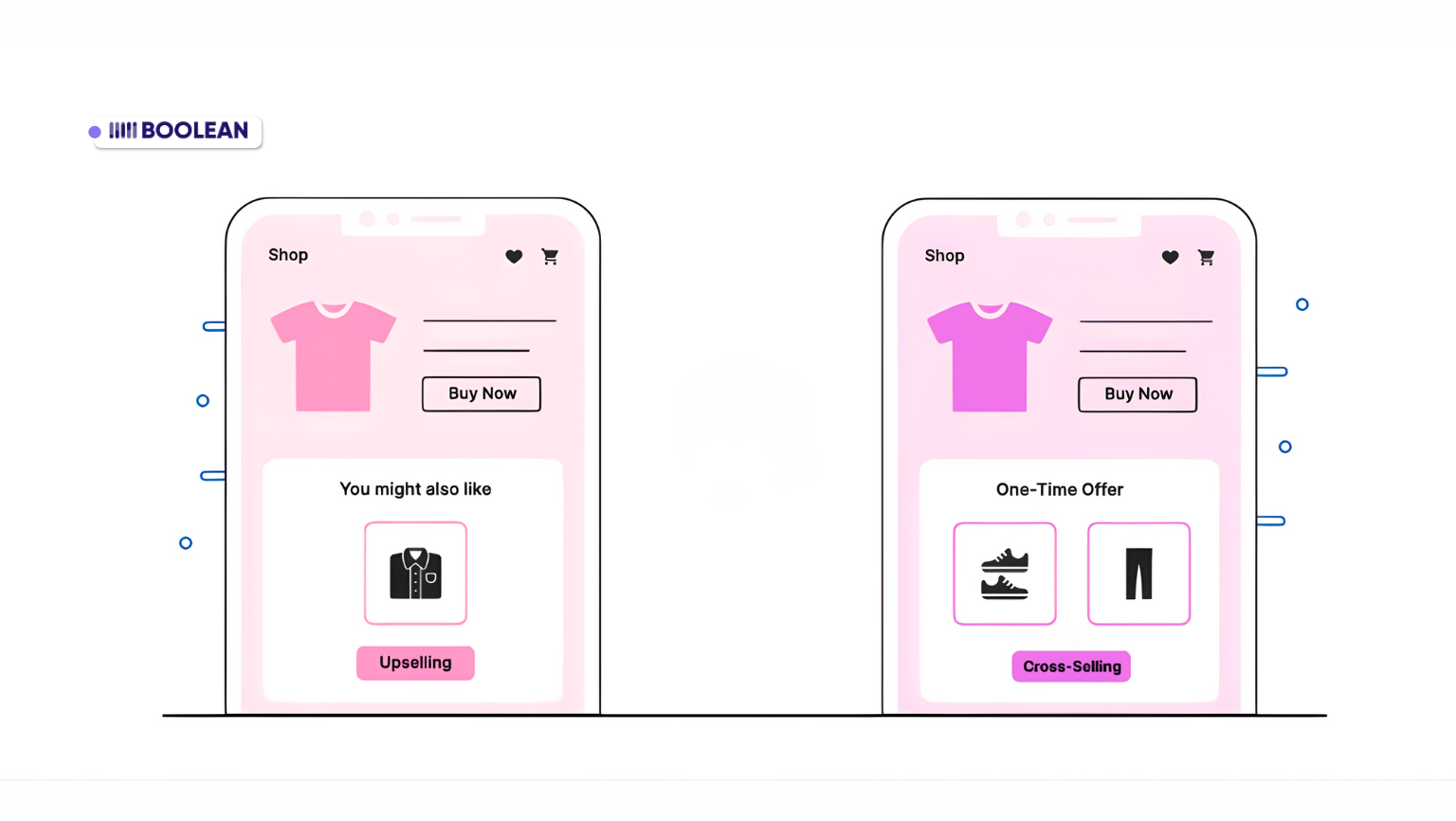
A good app can notice what people browse, what they buy, and when they tend to shop again. Then it can guide them toward the next best choice with a smoother mobile customer journey.
It feels helpful instead of pushy. That is the sweet spot for using mobile apps to increase sales.
This is where app-driven revenue growth starts to show up in real numbers. You can see digital sales growth, better repeat purchases, and even revenue growth with apps through smarter timing and simpler buying steps.
It also supports mobile commerce optimization, which is a fancy way of saying “make buying easier on mobile.”
At Boolean Inc., we often see that brands looking for a top mobile app development company USA are not only chasing downloads.
They want results. They want mobile app strategies for increasing revenue that raise basket size over time.
If you also care about app-led revenue, you might like this related read: How Retail Businesses Can Boost Revenue With a Mobile App.
Boosting Sales with Upselling and Cross-Selling
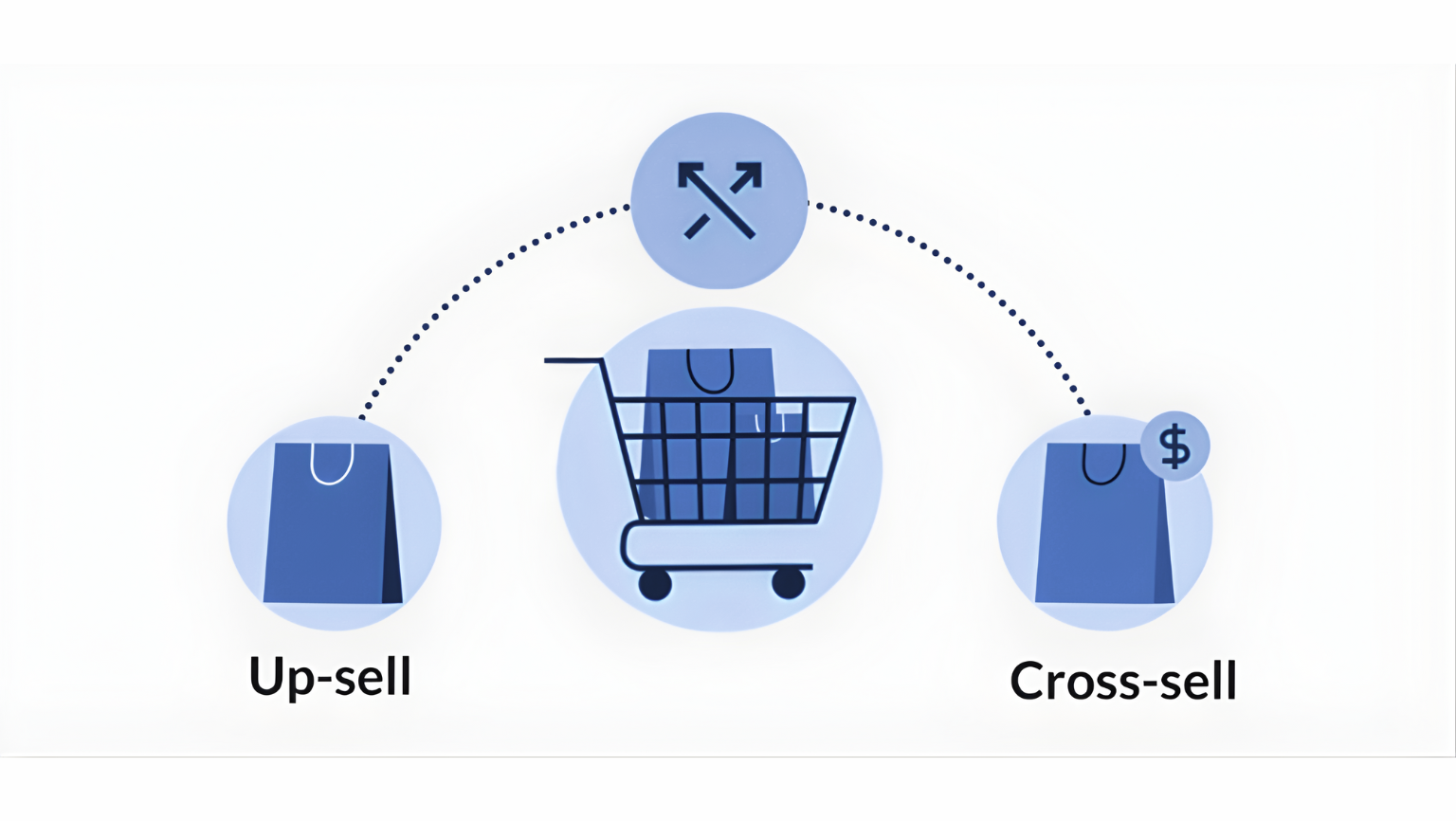
Upselling and cross-selling are actually simple ideas that most shoppers already understand.
Think about the last time you ordered food in an app. You picked a burger. Then the app asked if you want to make it a meal. That is upselling. It might also suggest fries or a drink. That is cross-selling.
Both are small nudges. Done right, they feel like convenience.
What is upselling?
Upselling means helping someone choose a better option than the one they first picked. It could be a bigger size, a premium version, or an upgraded plan.
The goal is increasing average order value (AOV) in a natural way.
In an app, this becomes app-based upselling. It shows up when the customer is already saying “yes” to something. That timing matters a lot.
Common upsell strategies inside apps include:
- Upgrading to premium or pro
- Choosing a larger pack size
- Adding a protection plan
- Picking faster delivery
- Moving from monthly to yearly subscriptions
These are simple customer upselling tips in action. They work best when the upgrade is clearly useful.
What is cross-selling?
Cross-selling means suggesting an extra item that matches what someone is already buying. It is about fit. It is not about random products.
Inside a mobile app, this becomes app-based cross-selling. You might see it as:
- Complementary product suggestions like “Add a case for your phone”
- “Frequently bought together” sections
- In-app cross-sell features right on the product page
- Product bundling in apps such as “Starter kit” bundles
These are practical cross-selling strategies because they save people time. They also reduce guesswork.
Where these show up in a mobile app
Good in-app sales strategies place upsells and cross-sells in spots where people already pause.
You usually see them:
- On the product page, before adding to cart
- In the cart, right before checkout
- After purchase, when someone is open to “one more thing”
- On reorder screens, when buying again is easy
This approach supports in-app user engagement because the app stays helpful. It does not feel noisy.
Why do these two matter in mobile apps
Both methods support sales optimization using mobile apps because they happen at the best moment. That moment is when a shopper is already interested.
They can improve:
- App-driven revenue growth through smarter upgrades and add-ons
- Maximizing app monetization without making the experience annoying
- Increasing customer lifetime value (CLV) when customers keep finding what they need
- Stronger results from mobile sales tools built into the shopping flow
- Better performance for e-commerce mobile solutions that want consistent repeat sales
Quick comparison
| What it is | What the customer sees | The main benefit |
| Upselling | “Upgrade to premium” or “Go one size bigger” | Higher AOV |
| Cross-selling | “Pairs well with this” or “Add this too” | More items per order |
If you want to track whether these changes are paying off, this guide can help: Measure Mobile App ROI.
App-Based Upselling: Simple Ways to Increase Order Value
Upselling works best when it feels like a helpful upgrade. Not a sales trick. People will pay more when they clearly see the benefit. That is the heart of app-based upselling.
A mobile app makes this easier because everything happens in the moment. The customer is already browsing. They are already interested.
With the right mobile sales tools inside your app, you can lift sales while keeping the experience smooth. That is how many brands end up increasing average order value (AOV) without sounding pushy.
If you are exploring this with Boolean Inc. as one of the top mobile app development company USA, focus on simple upsells first. Simple wins add up fast.
1) Offer upgrades that feel worth it
The best upsell strategies are clear and practical. No confusing choices. No long explanations.
Good examples of upselling techniques in apps:
- “Upgrade to premium for better quality”
- “Go from 1 item to a 3-pack and save more”
- “Add faster delivery”
- “Add gift wrap”
- “Extend warranty for peace of mind”
These are small choices. They can lead to big app-driven revenue growth over time.
2) Place the upsell at the right moment
Timing can make or break it. Too early feels random. Too late feels annoying.
Strong spots for app features that increase customer purchases include:
- On the product page, near the “Add to cart” button
- In the cart, before checkout
- Right after checkout, as a quick add-on
- On reorder screens, when the customer is in a hurry
This is part of mobile conversion optimization. You remove friction. You keep the buying flow calm.
3) Personalize the upgrade so it makes sense
A good upsell feels like it was picked for that person. That is why improving sales with app personalization matters.
What helps:
- Customer segmentation (new shoppers vs repeat shoppers)
- Behavior-based recommendations (based on browsing and past buys)
- Personalized product recommendations that match the item they chose
- Personalized offers like “Save 10% when you upgrade today”
Some brands also use AI-powered recommendations to suggest upgrades that fit a shopper’s habits. The goal is still simple. Make the upgrade feel relevant.
4) Use notifications carefully
Yes, push notifications for upselling can work. They can also annoy people fast. Keep them light and useful.
A few good options:
- Restock reminders with an upgrade option
- A limited-time upgrade deal for something they viewed
- A reminder about a premium version with a clear benefit
When you do this with targeted upsell campaigns, you avoid blasting everyone with the same message. That protects trust. It also supports using mobile apps to increase sales in a steady way.
Quick guide: Upsell ideas by moment
| Where the customer is | Upsell idea | Why it works |
| Product page | Better version or bigger pack | The customer is still deciding |
| Cart | Add faster shipping or upgrade bundle | They are close to checkout |
| After purchase | Premium add-on that fits the order | They already trust the app |
| Reorder | Subscription or multi-pack | It saves time next time |
If you are still at the planning stage, this may help you get clarity before building: Validate Your App Idea.
App-Based Cross-Selling: Helping Customers Find the Perfect Add-Ons
Cross-selling is the art of the “good match.” It is not about adding random items. It is about helping someone finish the job.
A customer buys a laptop. They still need a sleeve. They might want a mouse. They probably need a charger for travel.
These complementary product suggestions are exactly what app-based cross-selling does well inside mobile shopping apps.
When it is done with care, it feels like a shortcut. It also ends up boosting sales with cross-selling.
What makes cross-selling work inside an app
On mobile, people want quick choices. They do not want to search again. That is why in-app cross-sell features can drive real results.
Here are simple cross-selling strategies that tend to work across many industries:
- “Goes well with this” suggestions on the product page
- “Frequently bought together” blocks in the cart
- Product bundling in apps like starter packs or travel kits
- Add-ons shown right before checkout, when the customer is already committed
- Post-purchase add-ons, when the order is fresh in their mind
These are practical cross-selling techniques for mobile apps because they reduce effort for the shopper.
Easy cross-sell ideas people actually like
Not every add-on feels helpful. The best ones solve a clear problem.
Try options like:
- Protection, care, or refill items
- Accessories that improve the main product
- Matching items that complete a set
- A bundle that saves money and saves time
This is also part of mobile commerce optimization. The app removes extra steps so the customer gets what they need faster.
Bundles vs single add-ons
Both work. They just work in different situations.
| Cross-sell type | Best for | Simple example |
| Single add-on | Quick decision | “Add screen protector” |
| Bundle | Bigger value | “Phone + case + charger bundle” |
Bundles are especially useful for an app-based retail strategy because they make choices feel easier. A shopper sees one neat option instead of three separate items.
Keep it relevant with light personalization
Cross-selling improves when it matches the shopper’s intent. That is where a personalized shopping experience helps.
You can improve match quality with:
- Customer segmentation like new buyers vs repeat buyers
- Behavior-based recommendations based on what they view and buy
- Personalized product recommendations that fit the main item
This supports revenue growth with apps because customers feel understood. They buy more while still feeling in control.
Use notifications for cross-sell without being annoying
Yes, push notifications for sales can support cross-sells. Keep them targeted. Keep them timely.
Good examples:
- “Your order ships today. Add a travel pouch in one tap.”
- “People who bought this also loved this refill pack.”
Small message. Clear reason. Easy action.
If you want to see how these helpful touches connect to long-term loyalty, read: How Mobile Apps Improve Customer Retention for Businesses.
Personalization That Sells: Recommendations, Offers, and Smart Timing
Personalization is not magic. It is simply paying attention.
When an app remembers what a customer likes, the shopping experience feels easier. It feels calmer. That is why improving sales with app personalization is one of the most reliable ways to grow.
This is also a big part of how apps boost upselling and cross-selling. The better the match, the better the results.
You will often see higher add-ons, more repeat buys, and stronger app-driven revenue growth.
At Boolean Inc., we treat personalization like good customer service in digital form. It should feel natural. It should feel earned.
1) Start with customer segmentation
Not everyone shops the same way. A first-time visitor needs guidance. A repeat buyer wants speed.
With customer segmentation, you can tailor what people see based on simple groups such as:
- New customers
- Returning customers
- High spenders
- Discount seekers
- Customers who only buy certain categories
This supports sales optimization using mobile apps because you stop showing the same message to everyone.
2) Use behavior-based recommendations
A customer’s actions tell you a lot. What they view matters. What they add to cart matters more. What they buy matters most.
Behavior-based recommendations can be shaped by:
- Recent searches
- Browsing time on specific products
- Cart additions and removals
- Past purchases and reorder patterns
This is where personalized product recommendations become truly useful. The app is not guessing. It is responding.
3) Add AI-powered recommendations when it makes sense
Some businesses handle a lot of products. Some customers have very different tastes. In those cases, AI-powered recommendations can help the app suggest better matches.
The goal is not to show off smart tech. The goal is to pick better suggestions.
When it works, you see:
- More relevant upgrades and add-ons
- Higher increasing average order value (AOV)
- Better in-app user engagement because customers keep exploring
If you want a simple view of how this is done, here is a related read: Integrating AI in Mobile Apps.
4) Personalized offers that feel fair
Everyone loves a good deal. People just do not like random deals.
A few clean ways to use personalized offers:
- A welcome offer for first purchase
- A small discount on an upgrade they viewed twice
- Bundle pricing for items they often buy together
- A loyalty offer after several purchases
These offers support maximizing app monetization without turning the app into a coupon machine.
5) Smart timing is half the win
The same message can feel helpful or annoying depending on timing.
Good moments for personalization:
- Right after someone adds an item to cart
- When they return to the app after a few days
- When a product they like is back in stock
- When they are close to checkout
This is also where push notifications for sales can be effective. Keep it focused. Keep it relevant. If a message does not help the customer, do not send it.
Quick checklist: What “good personalization” looks like
- The suggestion matches what the customer is doing now
- The offer is easy to understand
- The customer can ignore it without hassle
- The next step takes one tap
That is the simple recipe for a personalized shopping experience that drives business growth through mobile apps.
If you want a simple look at how a mobile app can shape trust and repeat attention, read How a Mobile App Can Improve Your Brand Presence.
In-App Sales Strategies That Work: Engagement, Notifications, and Bundles
People do not open an app to be “sold to.” They open it to get something done. When your app helps them move faster, sales often rise as a side effect. That is the real power of in-app sales strategies.
Below are simple moves that work well for mobile apps for sales. They also support mobile commerce optimization and steady digital sales growth.
1) Make “next steps” obvious
A shopper should never wonder what to do next. Clear buttons and clear words matter more than fancy design.
Helpful app features that increase customer purchases include:
- A clear “Add to cart” button that is easy to spot
- A short checkout with fewer steps
- A “Buy again” option for repeat items
- A saved cart that does not disappear
This is basic mobile conversion optimization. It reduces drop-offs.
2) Use bundles that feel like a smart deal
Bundles work because they remove decision fatigue. One tap. Done.
Try product bundling in apps like:
- Starter kits for beginners
- Family packs for daily-use items
- “Complete the set” bundles for fashion and home goods
Bundles can support both app-based upselling and app-based cross-selling. They also raise increasing average order value (AOV) in a natural way.
3) Add cross-sell features right where people decide
Cross-sells work best when the shopper is already interested in the main product. That is why in-app cross-sell features should appear in the flow, not hidden at the bottom.
Good placements:
- On the product page with complementary product suggestions
- In the cart with “Pairs well with this”
- At checkout with one-click add-ons
This is one of the simplest ways of boosting sales with cross-selling.
4) Keep people engaged without being noisy
Stronger in-app user engagement often leads to more purchases. Not because you push harder. It happens because the app stays useful.
Simple engagement ideas:
- Wishlists for “save it for later” moments
- Back-in-stock alerts for items they viewed
- Reorder reminders for repeat products
These choices support revenue growth with apps and help with increasing customer lifetime value (CLV) over time.
5) Send push notifications with purpose
Notifications can help. They can also annoy. The difference is relevance.
Use push notifications for sales when:
- The offer matches what they viewed
- The timing makes sense
- The message is short and clear
You can also use push notifications for upselling in a gentle way. For example, remind a customer about a premium option they already explored.
For best results, run targeted upsell campaigns for smaller groups. That is smarter than sending the same message to everyone.
6) Treat personalization like a helpful assistant
Personalization is not only about product picks. It is also about how you present choices.
Helpful ideas:
- Show personalized offers based on what they buy most
- Use behavior-based recommendations for add-ons that make sense
- Keep personalized product recommendations close to the “Add to cart” area
These steps support sales optimization using mobile apps. They also move you closer to app-driven revenue growth.
If you are exploring more advanced options for smart experiences, you can also browse Building Context-Aware Mobile Apps with Generative AI APIs.
How Boolean Inc. Helps You Put These Ideas Into Action
Knowing the ideas is one thing. Turning them into steady sales is another.
Boolean Inc. helps businesses build app experiences that feel simple for shoppers.
The focus stays on the moments that matter most, like upgrades in the cart and smart add-ons on the product page. That is how mobile app strategies for increasing revenue become real.
Boolean Inc. is a leading mobile app development company for brands that want clear growth through better shopping flow, better suggestions, and better timing.
For a wider view on using apps to improve day-to-day business results, read: How Businesses Can Transform Operations With Custom Mobile Apps.
Conclusion
Upselling and cross-selling should never feel like pressure. In a well-made app, they feel like a helpful nudge at the right time.
That is the simplest way to explain how apps boost upselling and cross-selling.
When you use the right mix of upselling techniques in apps and cross-selling techniques for mobile apps, you make shopping easier.
You also increase basket size in a natural way. Over time, that supports increasing average order value (AOV) and increasing customer lifetime value (CLV). It is a simple path to revenue growth with apps and steady digital sales growth.
To recap, the strongest wins usually come from:
- Smart personalized product recommendations and personalized offers
- Clean in-app sales strategies that reduce steps and confusion
- Helpful push notifications for upselling and push notifications for sales that are timely and relevant
- Strong product bundling in apps plus clear complementary product suggestions
- Consistent mobile commerce optimization and mobile conversion optimization across the full mobile customer journey
If you want these results without making the experience complicated, partner with a team that understands both shopping behavior and app performance.
Boolean Inc. helps brands design and build mobile apps for sales that support app-based upselling, app-based cross-selling, and long-term app-driven revenue growth.
If you are searching for a top mobile app development company USA, Boolean Inc. can help you plan a simple and scalable app approach that fits your goals.
Next step: review your current app flow and list three places where an upgrade or add-on suggestion would genuinely help the customer. Then build from there.
FAQs
- How do mobile apps for sales increase revenue?
They make buying faster and smoother. They also show timely upgrades and add-ons through in-app sales strategies.
- What is app-based upselling?
It is when an app suggests a better version of what the customer chose, such as a premium option or a bigger pack. It helps with increasing average order value (AOV).
- What is app-based cross-selling?
It is when an app suggests related items that match the main purchase, such as accessories or refill items. This supports boosting sales with cross-selling.
- Do push notifications for upselling really work?
Yes, when they are relevant and not too frequent. The best results come from targeted upsell campaigns based on customer behavior.
- How can Boolean Inc. help with mobile app strategies for increasing revenue?
Boolean Inc. helps businesses plan and build mobile apps that use personalization, smart recommendations, and simple add-ons to drive app-driven revenue growth.